
ESG Reporting Standards NZ
ESG reporting standards NZ refer to the mandatory climate-related disclosure framework overseen by the External Reporting Board (XRB). Since 2023, large financial entities must report on climate risks and opportunities under the Aotearoa New Zealand Climate Standards, aligning with international TCFD recommendations to ensure transparency, accountability, and sustainable investment...
Read More

Aviation Decarbonization Roadmap NZ
Aviation decarbonization NZ refers to the strategic framework and technological transition aimed at achieving net-zero carbon emissions within New Zealand’s aviation sector by 2050. This involves adopting Sustainable Aviation Fuels (SAF), deploying zero-emissions electric and hydrogen-powered aircraft for regional networks, and implementing rigorous government policies and infrastructure upgrades to...
Read More
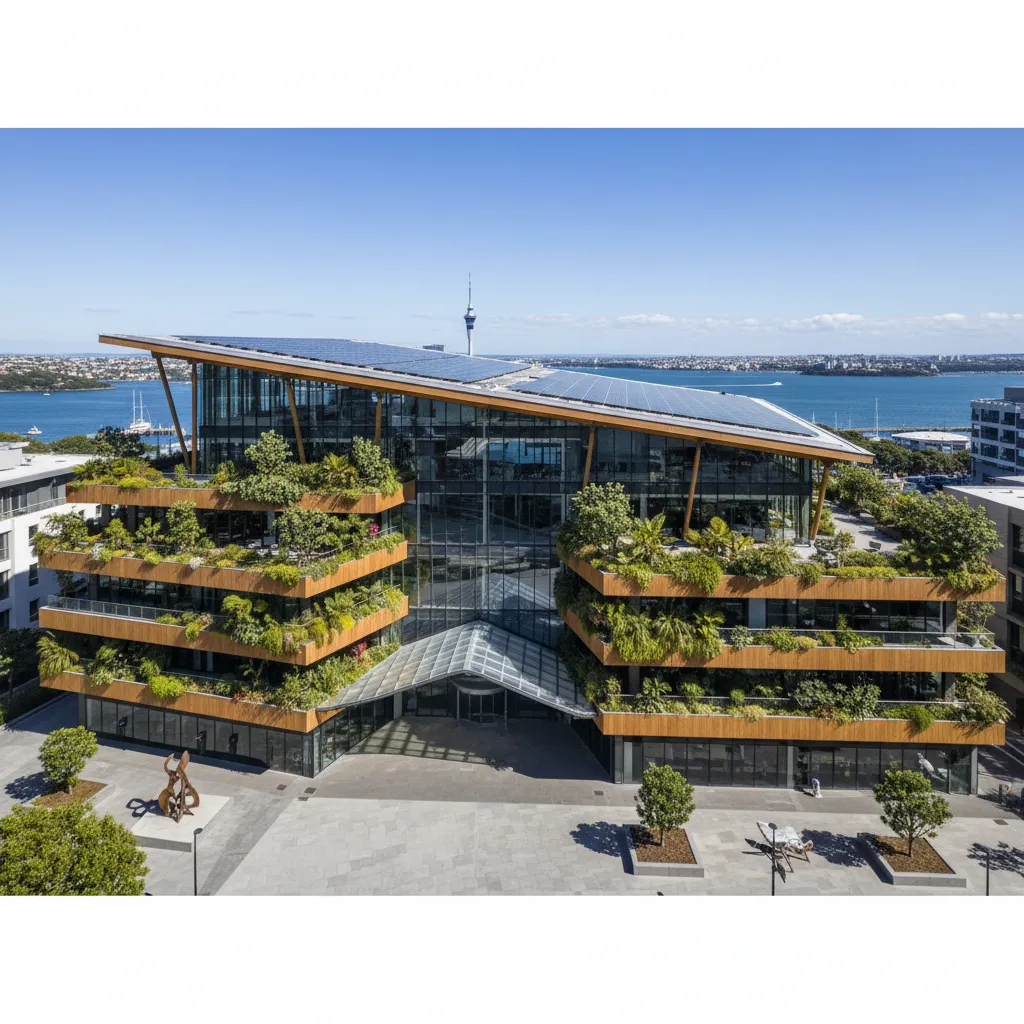
Business Decarbonisation Roadmap
Business decarbonisation in NZ is the strategic framework used by enterprises to eliminate greenhouse gas emissions, aligning with the Climate Change Response (Zero Carbon) Amendment Act 2019. It involves measuring footprints, setting science-based targets, and implementing operational changes to reach net-zero emissions, ensuring long-term resilience and compliance within New...
Read More

Sustainable Event Management NZ
Sustainable events in NZ involve planning and executing gatherings that minimize negative environmental impacts while supporting local communities. This includes reducing carbon footprints, achieving carbon neutral certification, and adhering to NZ’s climate compliance regulations. By integrating circular economy principles, organizers ensure long-term viability in New Zealand’s transition to a...
Read More

MBIE Building for Climate Change
MBIE Building for Climate Change (BfCC) is a regulatory program by New Zealand’s Ministry of Business, Innovation and Employment aimed at reducing greenhouse gas emissions in the construction sector. It introduces mandatory frameworks for measuring and capping whole-of-life embodied carbon and improving the operational efficiency of buildings to meet...
Read More

He Waka Eke Noa Updates
He Waka Eke Noa updates encompass the latest developments in New Zealand’s primary sector climate action partnership. This initiative seeks to price agricultural greenhouse gas emissions at the farm level rather than through the Emissions Trading Scheme. Recent changes include government-led shifts toward practical, technology-based solutions to ensure farming...
Read More
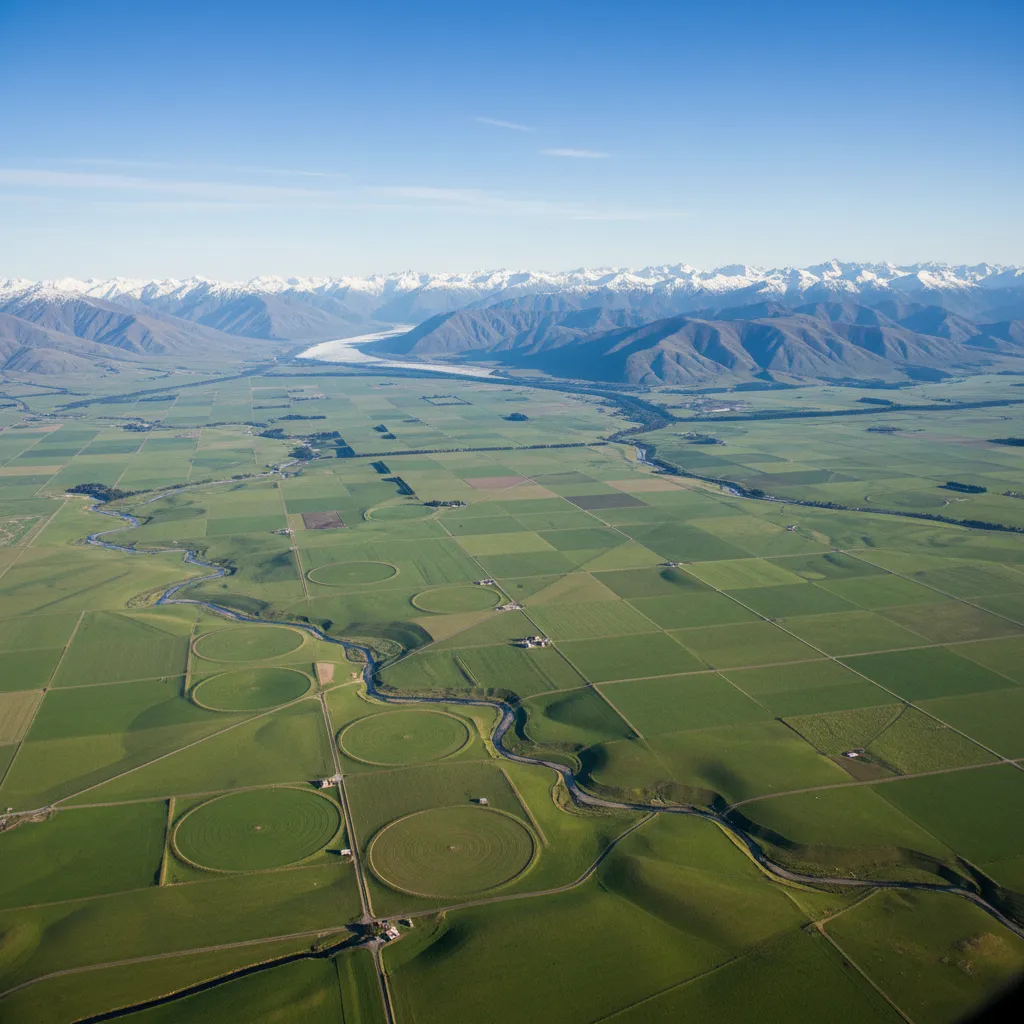
Canterbury Farming Emissions Guide
Canterbury farming emissions primarily consist of methane from livestock and nitrous oxide from nitrogen fertilizers and effluent. As New Zealand’s largest agricultural region, Canterbury plays a critical role in the Zero Carbon Act targets, requiring farmers to monitor, report, and reduce biological greenhouse gas emissions through precision agriculture and...
Read More

Green Building Consultants Wellington
Green building consultants in Wellington provide expert guidance on sustainable construction, helping developers achieve certifications like Green Star, Homestar, and NABERSNZ. They navigate New Zealand’s carbon compliance laws and seismic requirements, ensuring commercial projects minimize environmental impact while maximizing energy efficiency and long-term asset value in the capital’s unique...
Read More
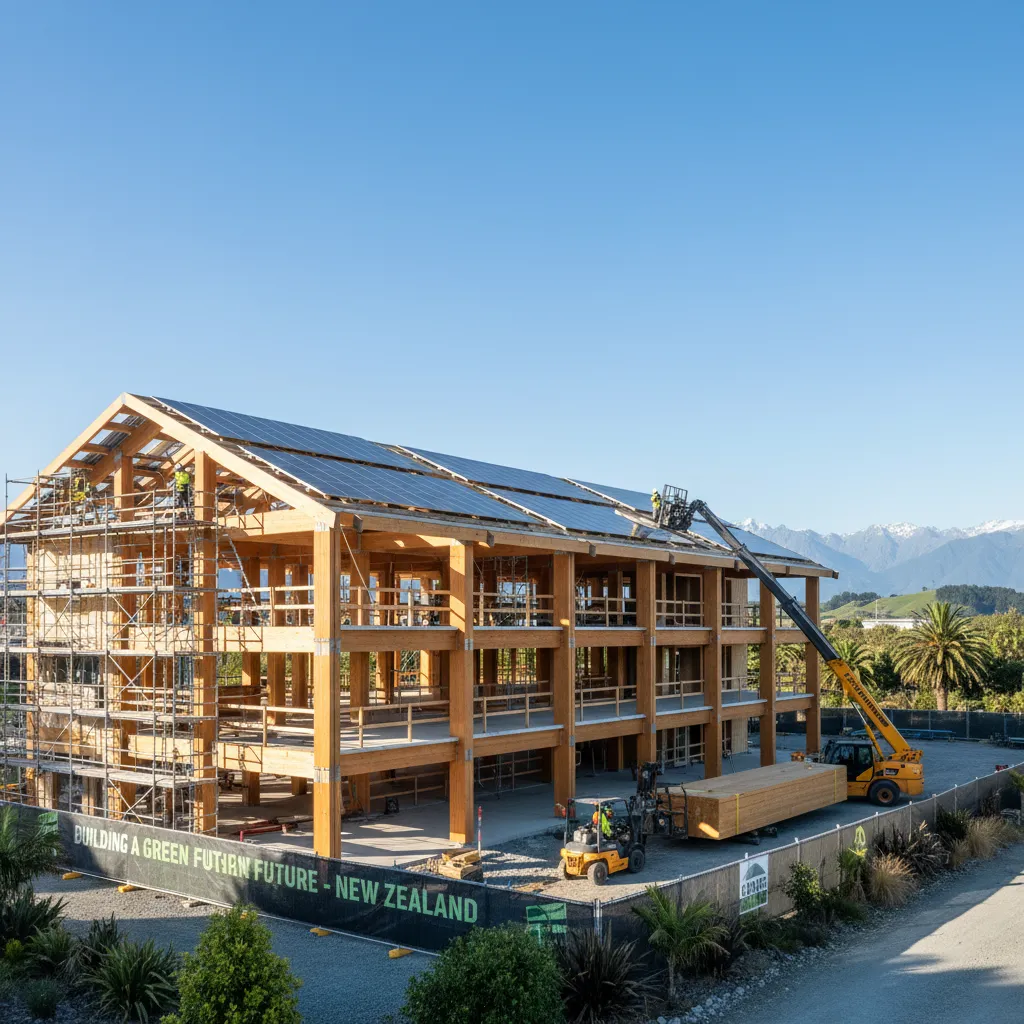
Zero-Carbon Materials Cost-Benefit
Zero-carbon materials cost refers to the financial investment required for building products with minimal embodied carbon. In New Zealand, this typically involves a 5-15% initial capital expenditure premium. However, these costs are offset by long-term operational savings, reduced carbon liabilities under the Emissions Trading Scheme, and enhanced asset value...
Read More

Methane Reduction Tech for NZ
Methane reduction technology NZ encompasses innovative solutions like feed additives, vaccines, and genetic breeding designed to lower livestock emissions. These technologies are crucial for New Zealand’s agricultural sector to comply with the Zero Carbon Act, which mandates a 24-47% reduction in biogenic methane by 2050 to combat climate change....
Read More