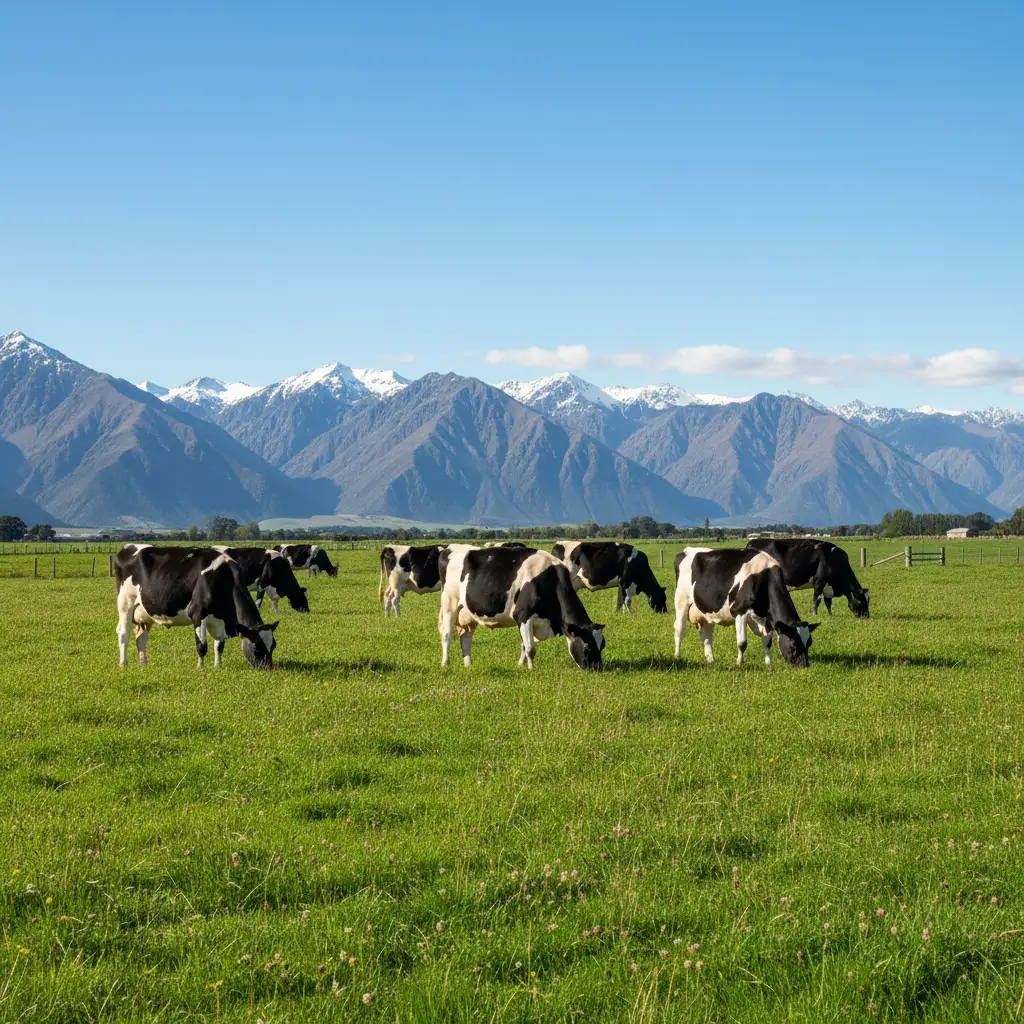
Nitrogen Fertilizer Limits NZ
Understanding the nitrogen fertilizer limits in NZ is crucial for modern pastoral farming, as these regulations represent a cornerstone of the country’s environmental strategy. Since 2021, New Zealand has implemented strict caps to balance agricultural productivity with the urgent need to protect freshwater quality and meet international climate commitments....
Read More

Homestar vs Green Star NZ Ratings
Homestar vs Green Star NZ represents the two primary sustainability frameworks managed by the New Zealand Green Building Council (NZGBC). Homestar is a comprehensive rating tool for residential homes and apartments, while Green Star is designed for commercial buildings, fit-outs, and large-scale communities, evaluating environmental impact, efficiency, and occupant...
Read More

Embodied Carbon in NZ Construction
Embodied carbon in NZ refers to the total greenhouse gas emissions generated during the extraction, manufacture, transport, and assembly of building materials, as well as their eventual disposal. Unlike operational carbon, which comes from energy use, embodied carbon is locked into the structure from the moment construction is completed....
Read More

On-Farm Sequestration Rules
On farm sequestration nz refers to the biological process where vegetation and soil on New Zealand farms capture and store atmospheric carbon dioxide. Regulated primarily through the Emissions Trading Scheme (ETS) and the Zero Carbon Act, it allows landowners to offset agricultural greenhouse gas emissions by maintaining recognized carbon...
Read More
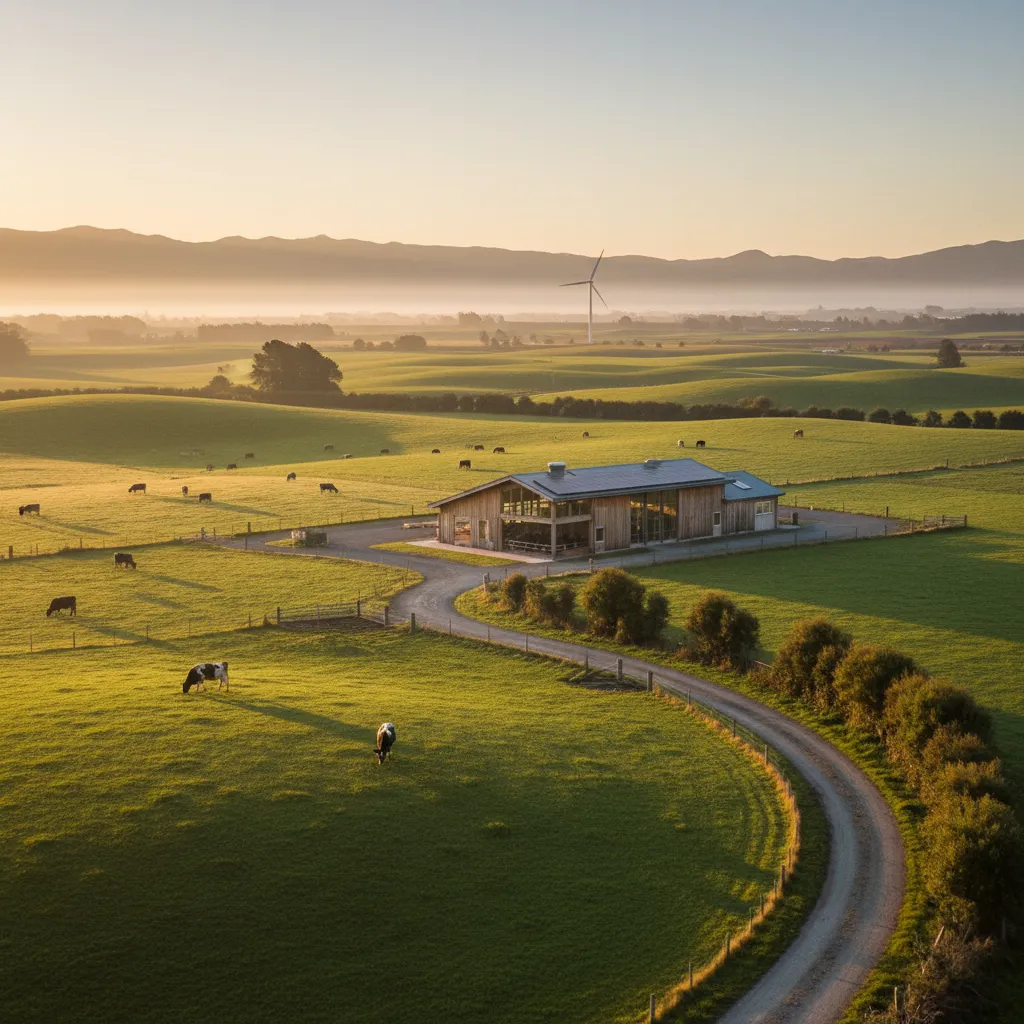
Agricultural Emissions Pricing
Agricultural emissions pricing in NZ is a world-first regulatory framework designed to charge the primary sector for methane and nitrous oxide outputs. Integrated into the Zero Carbon Act, it incentivizes farmers to reduce greenhouse gases through either farm-level or processor-level reporting, ensuring New Zealand meets its 2030 and 2050...
Read More
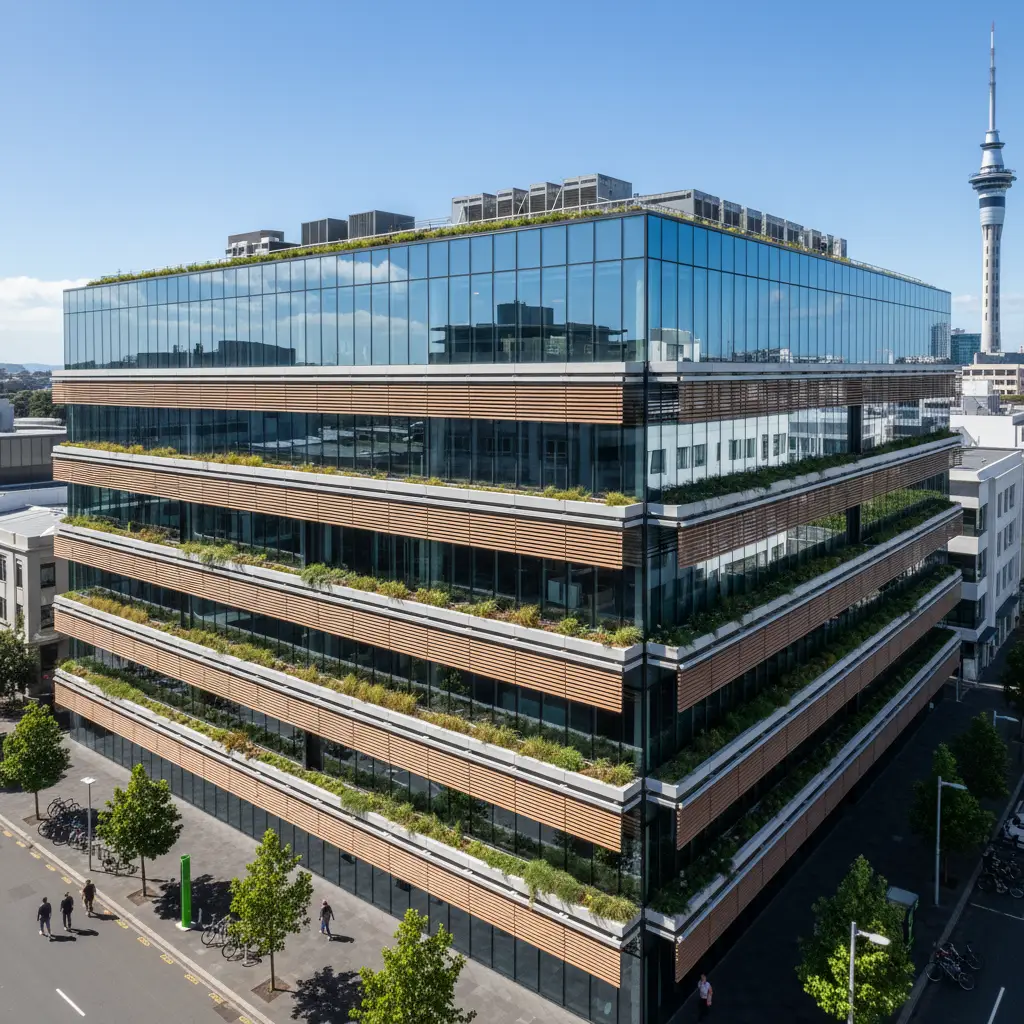
Energy Efficient HVAC for NZ Developers
Energy efficient HVAC NZ solutions encompass integrated heating, ventilation, and air conditioning systems optimized for New Zealand’s unique climate zones. These systems utilize high-performance heat pumps, smart building automation, and strict adherence to H1 Building Code standards to minimize energy consumption, reduce carbon emissions, and lower long-term operational costs...
Read More

Sustainable Dairy Farming NZ
Sustainable dairy farming in NZ is the practice of producing milk while minimizing environmental impact, ensuring animal welfare, and maintaining economic viability. It focuses on meeting New Zealand’s Zero Carbon Act targets by reducing methane and nitrous oxide emissions, protecting water quality through advanced effluent management, and preserving soil...
Read More

Retrofitting Commercial Buildings
Retrofitting commercial buildings involves upgrading existing structures to improve energy efficiency, reduce carbon emissions, and enhance occupant comfort. In the New Zealand context, this includes enhancing thermal envelopes through insulation and glazing, electrifying HVAC systems, and integrating smart technologies to comply with the Building for Climate Change programme and...
Read More
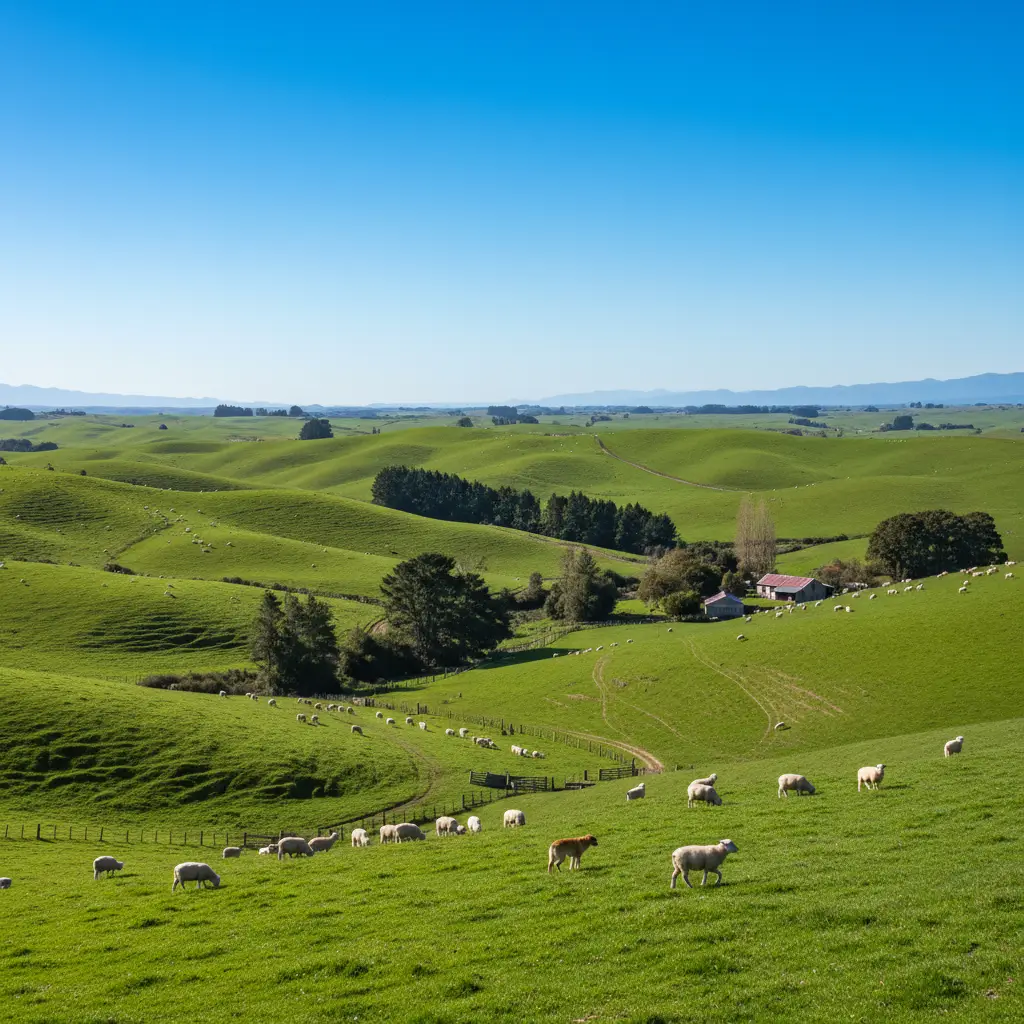
Sheep and Beef Carbon Management
Sheep and beef carbon NZ management refers to the strategic quantification and reduction of greenhouse gas emissions within New Zealand’s pastoral farming systems. Guided by the Zero Carbon Act, this involves optimizing feed efficiency, enhancing soil sequestration, and utilizing low-emission genetics to mitigate methane and nitrous oxide, ensuring global...
Read More
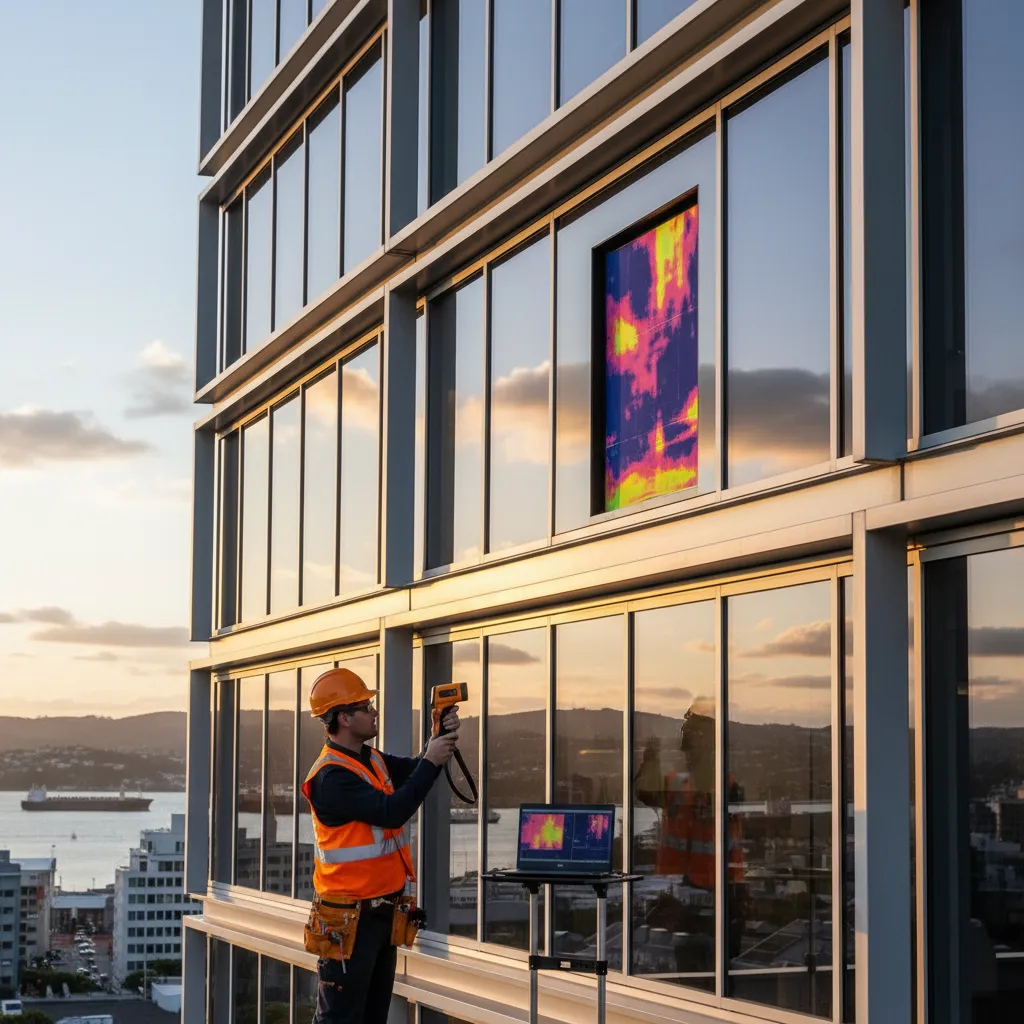
Green Building Grant Applications NZ
Green building grants in NZ are financial incentives and subsidies provided by government agencies like EECA and local councils to support energy-efficient construction. These grants facilitate commercial energy audits, low-carbon material adoption, and sustainable design, helping businesses reduce operational costs while aligning with New Zealand’s 2050 carbon neutrality goals...
Read More