ETS Forestry Consultants Reviews
ETS forestry consultants are specialist advisors in New Zealand who manage Emissions Trading Scheme (ETS) compliance, carbon mapping, and Annual Emissions Returns (AER). Professional reviews highlight their expertise in navigating Ministry for Primary Industries (MPI) regulations, optimizing carbon credit yields (NZUs), and providing strategic advice for post-1989 forest land owners seeking sustainable financial returns.
Top-Rated Forestry Consultants by Region
Selecting the right ETS forestry consultant often depends on geographical expertise. While the Emissions Trading Scheme is a national framework, the biological growth rates, soil types, and local council regulations vary significantly across New Zealand. Reviews from landowners suggest that consultants with local knowledge are better equipped to handle site-specific challenges, such as erosion-prone land in the East Coast or the unique climate of the deep South.

North Island Leaders: Northland to Wellington
In the North Island, the concentration of post-1989 forest land is high. Consultants in regions like Northland and the Bay of Plenty are frequently reviewed for their ability to manage large-scale commercial plantations. Firms such as Carbon Forest Services and Forest Management Ltd (FML) often receive high marks for their presence in these areas. Landowners in the Waikato and King Country emphasize the importance of consultants who understand the transition from pastoral farming to carbon forestry, specifically regarding the ‘averaging accounting’ method introduced in recent years.
South Island Specialists: Canterbury, Otago, and Southland
The South Island presents different challenges, particularly regarding high-altitude planting and the slower growth rates of indigenous species compared to the North. Reviews for consultants operating in Canterbury and Otago often highlight their proficiency in managing the risks associated with snow damage and drought. Firms like IFS Growth and various independent advisors are noted for their rigorous field assessments. For South Island landowners, a consultant’s ability to accurately calculate sequestration rates in cooler climates is a critical factor in their overall rating.
Core Service Offerings: Mapping, AER, and Sales
A comprehensive ETS forestry consultant does more than just fill out paperwork. Their service suite typically covers the entire lifecycle of a carbon project, from the initial feasibility study to the eventual sale of New Zealand Units (NZUs). Understanding these services is essential for interpreting ets forestry consultants reviews accurately.
Precision Mapping and GIS Services
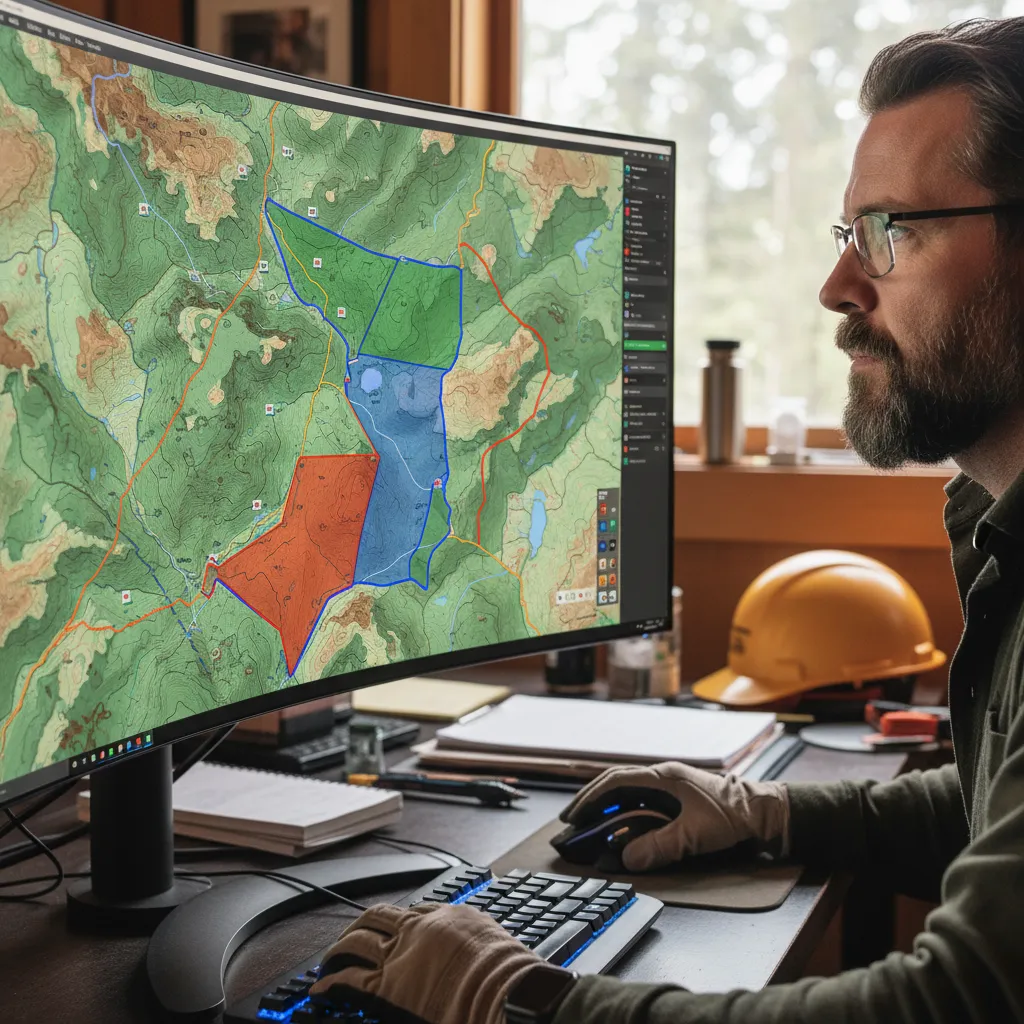
Mapping is the foundation of any ETS application. Consultants use Geographic Information Systems (GIS) to define the boundaries of ‘forest land’ as defined by the Climate Change Response Act 2002. This involves identifying areas that meet the minimum height, crown cover, and width requirements. High-quality reviews often mention the precision of a consultant’s mapping, as errors can lead to significant delays in registration or, worse, financial penalties from the MPI if the forest area is overestimated.
Annual Emissions Returns (AER) and Compliance
The AER is the mandatory reporting process where landowners claim their carbon credits or pay back units if they have harvested. This process is technical and subject to strict deadlines. Top-rated consultants provide a ‘turnkey’ solution for AERs, ensuring that all data is submitted through the Tupu-ake (formerly EPA) portal correctly. Reviews frequently praise consultants who offer proactive reminders and clear communication during the reporting window, which typically runs from January to March each year.
NZU Sales and Portfolio Management
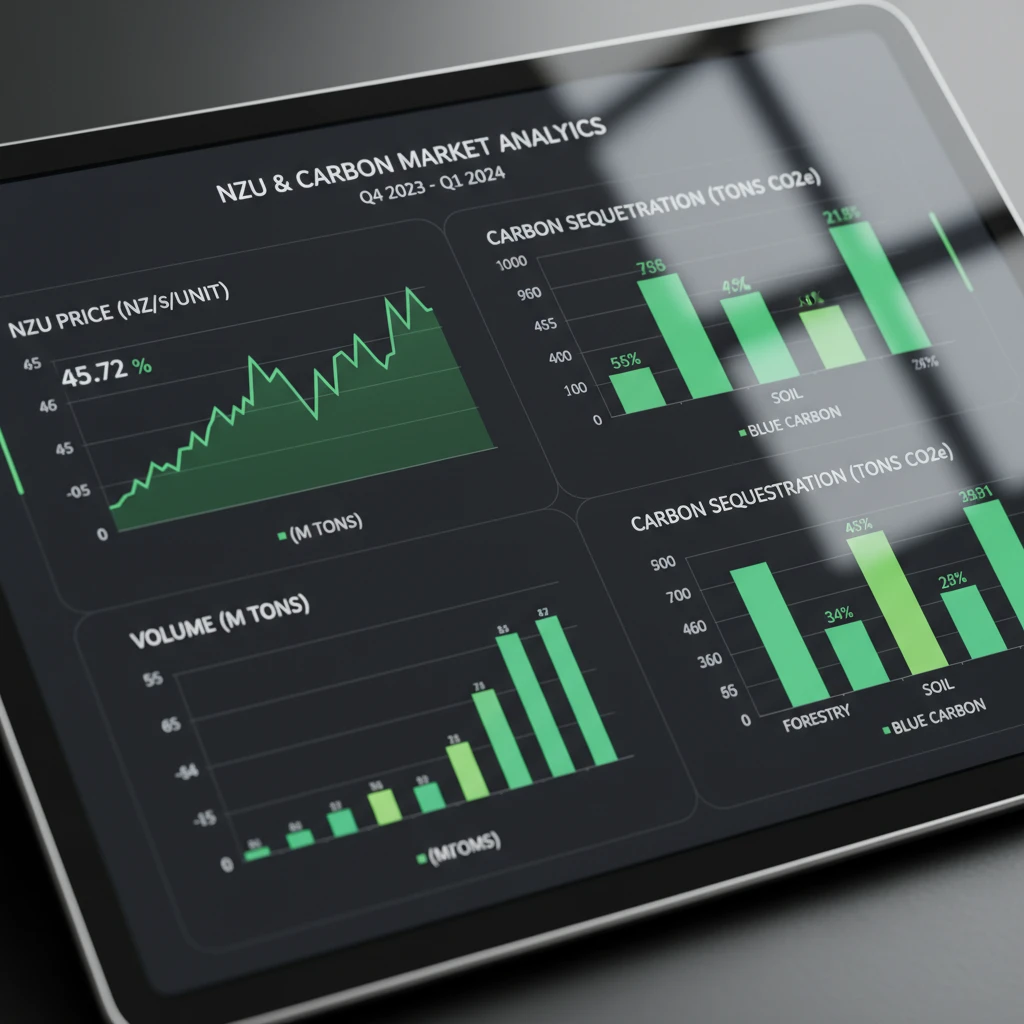
Once credits are earned, the consultant’s role shifts to market strategy. The NZU market is volatile, influenced by government policy shifts and global carbon trends. Some consultants offer brokerage services, while others provide strategic advice on when to hold or sell. Value-added services in this category include managing the ‘contingent liability’ of the forest—ensuring the landowner understands how many units must be surrendered if the forest is harvested or destroyed by fire or windthrow.
Fee Structures and Value for Money
One of the most common themes in ets forestry consultants reviews is the cost of service. There is no industry-standard fee, and models vary widely. Landowners must decide whether they prefer the certainty of fixed fees or the performance-based incentive of a percentage-based model.
Fixed Fee vs. Percentage-Based Models
Many established firms charge a flat fee for specific tasks, such as $2,000 for an initial assessment or $500 per year for AER filing. This is often preferred by large-scale institutional investors who want to keep overheads predictable. Conversely, smaller landowners or those new to the market may opt for a percentage-based fee, where the consultant takes a cut (often 2% to 5%) of the NZUs issued. While this reduces upfront costs, it can become expensive over the long term as the price of carbon rises.

Hidden Costs and Value for Money
Reviews often warn about hidden costs, such as travel expenses for site visits or additional charges for responding to MPI audits. A ‘value for money’ consultant is typically defined as one who provides high-quality mapping that maximizes the eligible forest area while maintaining a low risk of audit failure. If a consultant can find an extra 5 hectares of eligible land through better mapping, that could result in thousands of dollars in additional NZUs, easily covering their professional fees.
Questions to Ask Before Hiring a Consultant
To ensure you select a top-tier advisor, it is vital to conduct a thorough interview. Based on common issues found in ets forestry consultants reviews, here are the essential questions to ask during your selection process.
What is your experience with the ‘Averaging Accounting’ method?
The introduction of averaging accounting for post-1989 forests has fundamentally changed how carbon is earned. You need a consultant who can explain how this impacts your specific forest type and harvesting intentions. If they cannot clearly articulate the difference between the ‘stock change’ and ‘averaging’ methods, they may not be the right choice for a modern forestry project.
How do you handle MPI audits and queries?
The Ministry for Primary Industries (MPI) frequently audits ETS participants. Ask the consultant if they will represent you during an audit and if that service is included in their base fee. A consultant with a strong track record and a good relationship with the MPI can often resolve queries much faster than an inexperienced advisor.
What software and data sources do you use?
Inquire about their use of LiDAR (Light Detection and Ranging) and satellite imagery. High-resolution data leads to more accurate mapping. Reviews often highlight that consultants using the latest technology are more efficient and produce more reliable results, which is crucial for long-term compliance and maximizing NZU yields.
The Evolving NZ Carbon Economy
The NZ ETS is not a static system; it is a political and economic instrument that undergoes frequent review. Currently, there is a strong shift toward permanent forestry and the sequestration of indigenous species. ETS forestry consultants reviews reflect this shift, with increasing praise for advisors who specialize in ‘native’ carbon projects. While indigenous trees sequester carbon slower than Radiata Pine, they often face less regulatory scrutiny and provide significant biodiversity benefits.
Furthermore, the ‘Social License to Operate’ is becoming a major factor in forestry. Consultants who provide advice on sustainable land use—balancing carbon income with environmental stewardship—are receiving higher ratings from the community and landowners alike. As the NZU price continues to be a focal point of New Zealand’s climate strategy, the role of the consultant will only grow in importance, moving from simple compliance to complex financial and environmental asset management.
Summary of Key Considerations
When searching for ets forestry consultants reviews, remember that the
About The Author
