Forestry in the NZ ETS
Forestry in the New Zealand Emissions Trading Scheme (NZ ETS) is a regulatory framework where forest owners earn New Zealand Units (NZUs) for carbon sequestered by their trees. It distinguishes between pre-1990 and post-1989 land, providing financial incentives for afforestation while imposing liabilities for deforestation and harvesting, supporting New Zealand’s climate goals.
Post-1989 vs Pre-1990 Forest Land: The Foundational Split
In the context of forestry in the NZ ETS, the date of forest establishment is the most critical factor determining a landowner’s rights and obligations. The scheme divides forest land into two primary categories: Pre-1990 and Post-1989 forest land. This distinction was established to reflect New Zealand’s baseline obligations under international climate agreements, specifically the Kyoto Protocol.
Pre-1990 Forest Land Regulations
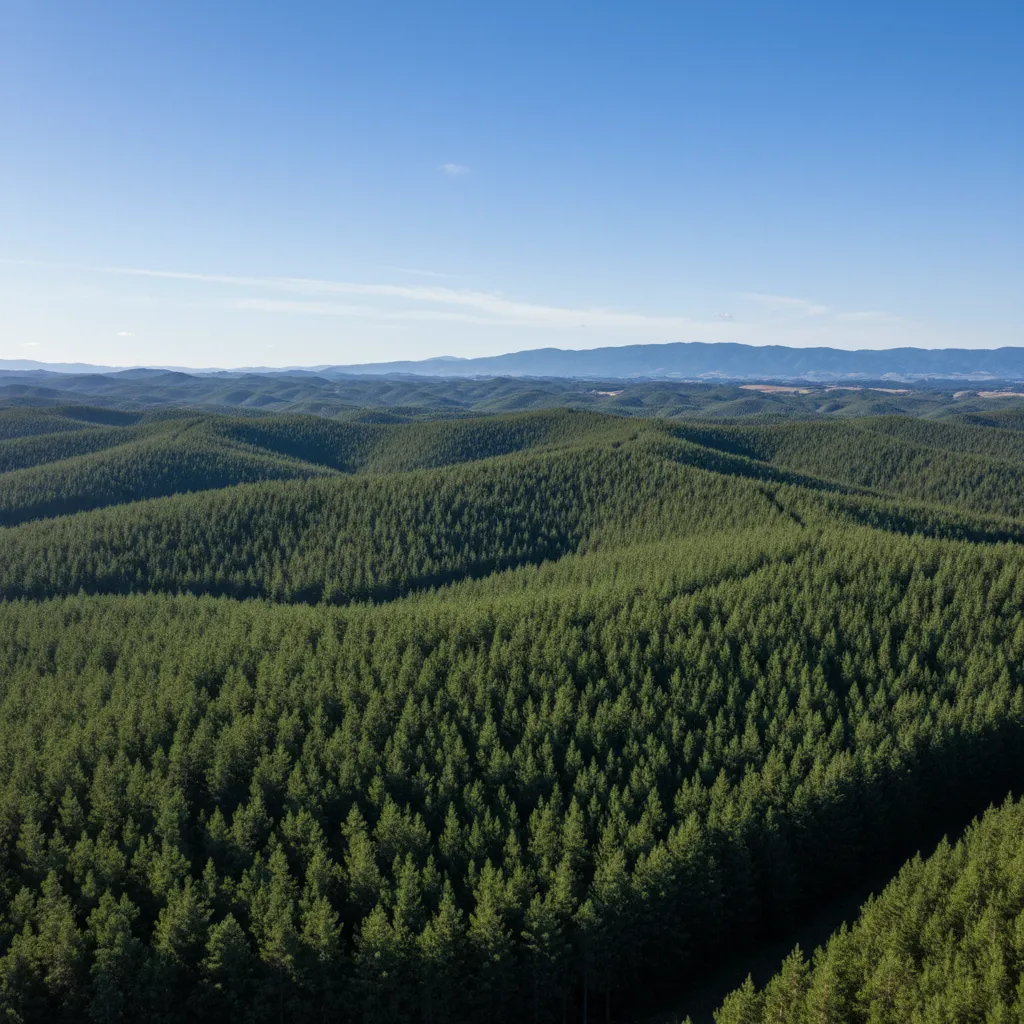
Pre-1990 forest land is defined as land that was in forest on 31 December 1989 and remained in forest until it was included in the NZ ETS. For these landowners, the scheme primarily acts as a deterrent against deforestation. If a landowner decides to clear pre-1990 forest and change the land use (e.g., to dairy farming), they incur a significant ‘deforestation liability.’ This means they must surrender NZUs to the Crown to offset the carbon lost from the removal of the forest.
However, if the land is harvested and replanted (or allowed to regenerate naturally into forest), no units need to be surrendered. It is important to note that pre-1990 forest owners do not earn NZUs for the carbon their trees sequester; their role in the scheme is focused on maintaining existing carbon stocks.
Post-1989 Forest Land Benefits
Post-1989 forest land is land that was not in forest on 31 December 1989. This category offers the most opportunity for financial gain within the NZ ETS. Landowners with post-1989 forest can voluntarily register their land in the scheme to earn NZUs as their trees grow. This process, known as ‘afforestation,’ turns carbon sequestration into a tradable commodity. Because these forests represent ‘new’ carbon sinks that did not exist in 1990, the government rewards the owners for the additional carbon being removed from the atmosphere.
How Do Averaging Accounting Rules Work?
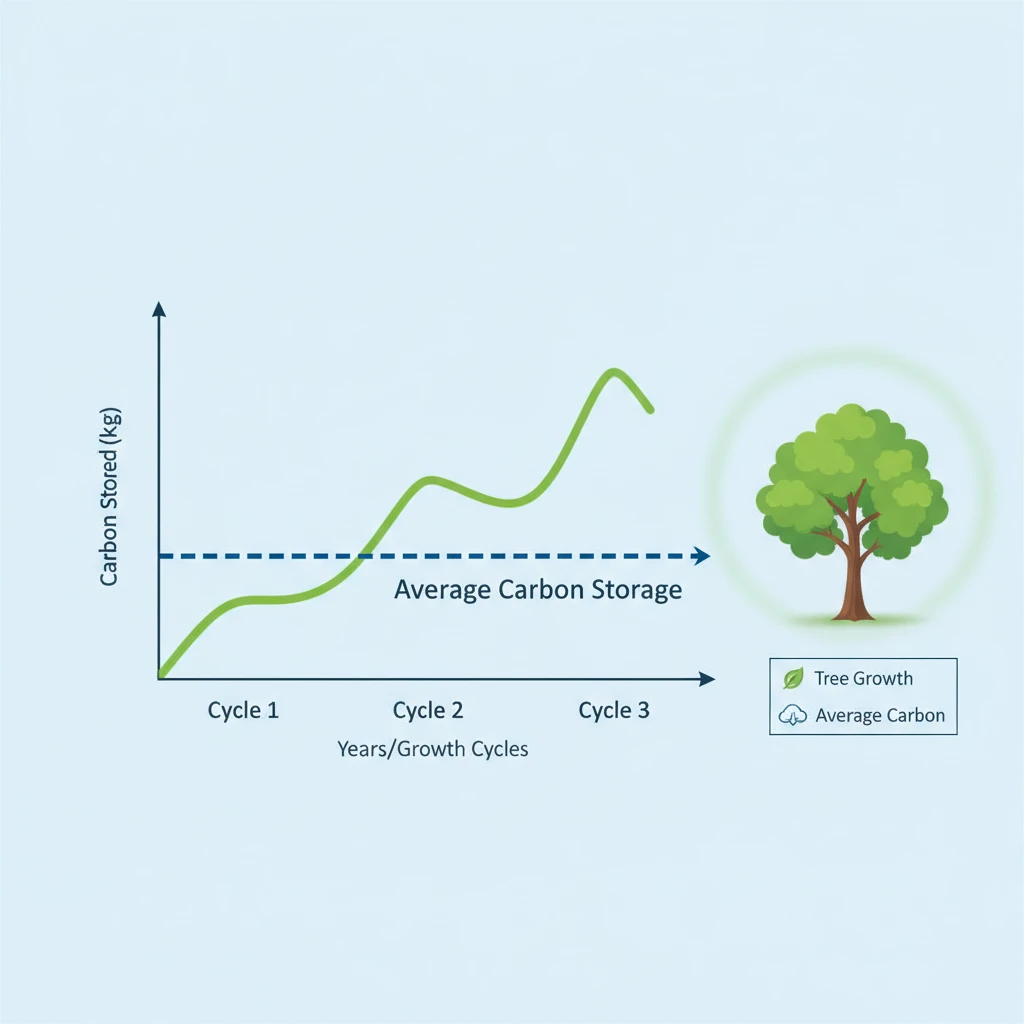
One of the most significant recent changes to forestry in the NZ ETS is the introduction of ‘averaging accounting.’ Previously, forest owners used ‘stock change’ accounting, where they earned units as trees grew but had to pay back a large portion of those units when the trees were harvested. This created a ‘saw-tooth’ pattern of credits and liabilities that many found financially risky and complex to manage.
Transitioning from Stock Change to Averaging
Averaging accounting simplifies the process for most production forests. Under this system, forest owners earn NZUs up to the ‘average’ amount of carbon the forest will store over several harvest cycles. For a typical Pinus radiata forest, this average is reached around age 17 to 22, depending on the site. Once the forest reaches this average carbon stock, the owner stops earning units, but they also do not have to surrender units when they harvest—provided they replant the forest.
This provides a much more stable income stream and removes the massive liability spike at harvest time. It encourages long-term timber production while ensuring that the ‘base’ level of carbon remains stored in the landscape across multiple rotations. For many new entrants, averaging is the default and preferred method of participation.
The Permanent Forest Category Explained
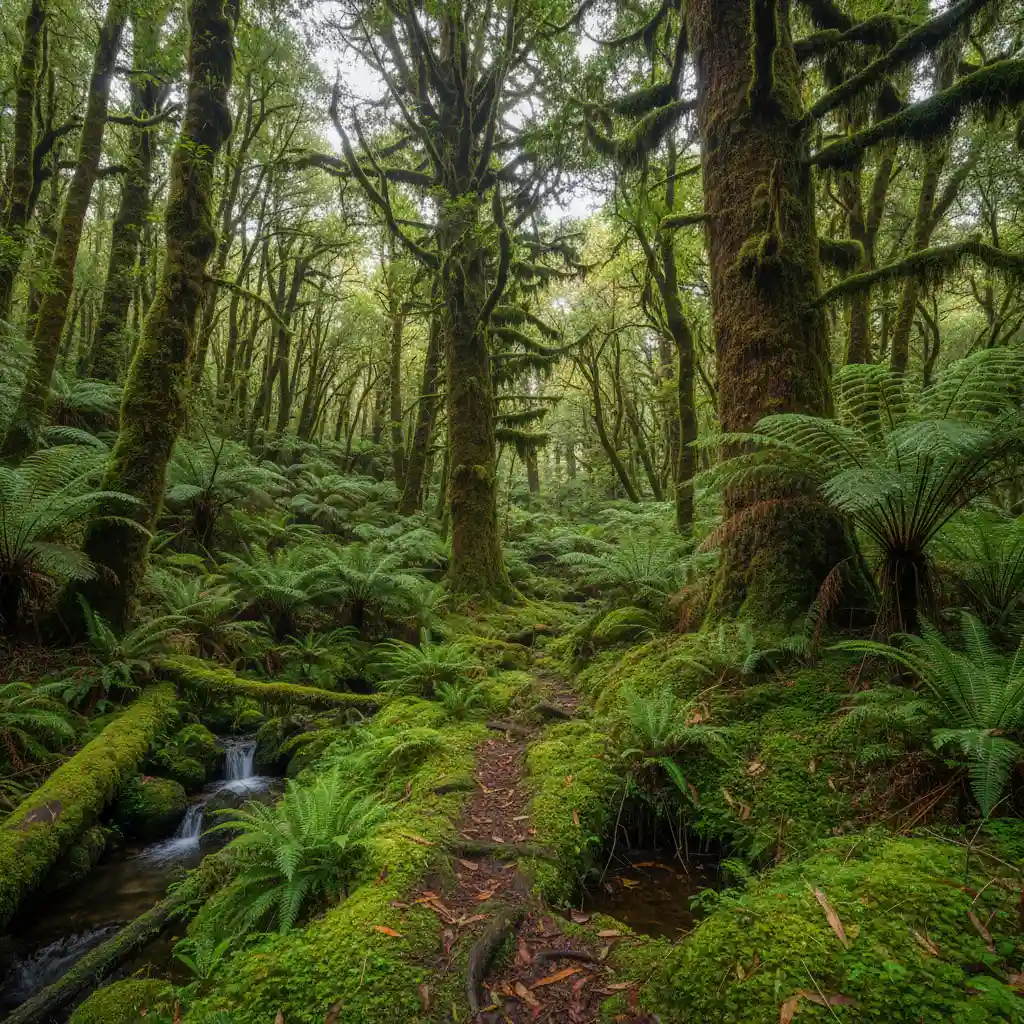
For landowners who do not intend to harvest their trees for timber, the NZ ETS offers the Permanent Forest category. This category replaced the previous Permanent Forest Sink Initiative (PFSI) and is designed for forests that will be left to grow for at least 50 years. This is particularly attractive for native forest restoration projects or for planting on steep, erosion-prone land where harvesting is not commercially or environmentally viable.
Earning Potential in Permanent Forestry
Unlike averaging accounting, forests in the permanent category use stock change accounting but without the harvest liability (since they aren’t harvested). This means they can continue to earn NZUs for as long as the forest continues to grow and sequester carbon, which in the case of native species like Totara or Kahikatea, can be for hundreds of years. The permanent forest category is a vital tool for New Zealand’s long-term carbon sequestration strategy and biodiversity goals.
Understanding New Zealand Units (NZUs)
The New Zealand Unit (NZU) is the ‘currency’ of the NZ ETS. One NZU represents one metric tonne of carbon dioxide equivalent (CO2-e) that has either been sequestered from the atmosphere or is permitted to be emitted. For foresters, these units are an asset that can be held as an investment or sold on the open market to emitters who need them to meet their own compliance obligations, such as fuel importers or industrial processors.
The price of NZUs is determined by supply and demand, influenced by government policy settings, such as the ‘cap’ on the total number of units available in the scheme. As the cap tightens to meet the Zero Carbon Act targets, the value of NZUs is generally expected to rise, increasing the financial incentive for forestry. However, the market can be volatile, and participants must stay informed about regulatory changes that might impact unit prices.
Compliance and Reporting Obligations
Participating in forestry in the NZ ETS is not a ‘set and forget’ endeavor. It involves rigorous administrative and compliance requirements managed by the Ministry for Primary Industries (MPI) through the Tini a Whiro (Forestry Emissions Trading Scheme) portal. Participants must submit Emissions Returns periodically—usually every five years during a mandatory period, though annual voluntary returns are often permitted.

Mapping and Monitoring
Accurate mapping is essential. Every hectare of land registered must be mapped to specific standards, ensuring it meets the definition of ‘forest land’ (at least 1 hectare in size, at least 30 meters wide, and capable of reaching 5 meters in height). MPI uses satellite imagery and aerial photography to verify the existence and growth of the forest. Failure to maintain the forest or accurately report changes can lead to significant penalties, including the requirement to return units or pay fines.
Future Outlook for NZ Forestry
The role of forestry in the NZ ETS is currently a subject of intense policy debate. While forests are excellent at absorbing carbon, there is concern that relying too heavily on exotic plantations (like Pinus radiata) might delay necessary emissions reductions in other sectors, such as transport and industry. The government frequently reviews the scheme to ensure it strikes the right balance between carbon sequestration, economic productivity, and environmental outcomes.
Recent discussions have focused on whether to restrict the amount of exotic forest that can enter the permanent category or how to better incentivize the planting of indigenous species. For investors and landowners, staying abreast of these policy shifts is crucial. Despite the changing landscape, forestry remains the most effective tool New Zealand has for large-scale carbon removal, ensuring its central place in the nation’s climate strategy for decades to come.
What is the minimum land size for forestry in the NZ ETS?
To qualify as forest land in the NZ ETS, the area must be at least one hectare in size and have an average width of at least 30 meters. It must also be capable of reaching at least five meters in height in its current location.
Can I earn credits for native bush that was already on my land?
Generally, you can only earn NZUs for ‘Post-1989’ forest land. If the native bush existed before 1990, it is considered Pre-1990 forest land and does not earn credits. However, if you have land that was not in forest in 1990 and you allow native species to regenerate there, it may qualify for credits.
What happens if my forest is destroyed by fire or wind?
If a forest in the NZ ETS is destroyed by a natural event, the owner is generally required to notify MPI. Depending on the accounting method and the specific circumstances, you may be required to surrender units if the carbon stock decreases, although there are some ‘adverse event’ provisions that can provide relief if the forest is replanted.
How much does it cost to join the NZ ETS?
While there are no direct fees to register small areas of land, there are significant costs associated with professional mapping, forest measurement, and potentially hiring an ETS consultant to manage your emissions returns and compliance obligations.
Can I harvest my trees if they are in the NZ ETS?
Yes, you can harvest trees in the NZ ETS. If you are under ‘averaging accounting’ and you replant, you typically do not have to pay back units. If you are under ‘stock change’ accounting, you will likely have to surrender a large portion of the NZUs you earned when the carbon is lost during harvest.
Is Pinus radiata the only tree used in the NZ ETS?
No, many species can be used, including Douglas fir, eucalyptus, and various native species. However, Pinus radiata is the most common because it grows very quickly and sequesters carbon at a high rate, maximizing the number of NZUs earned in a short period.
About The Author
