Global Carbon Market Trends 2024
Global carbon market trends in 2024 are defined by the rigorous implementation of cross-border adjustment mechanisms like the EU CBAM, a systemic shift toward high-integrity standards in voluntary markets, and the rapid expansion of compliance trading schemes across Asia. These developments signal a transition toward higher carbon prices, stricter regulatory oversight, and increased global market interoperability.
The landscape of the global carbon economy is undergoing a seismic shift. No longer a niche interest for corporate social responsibility, carbon pricing has evolved into a fundamental driver of international trade strategy and geopolitical alignment. For nations like New Zealand, whose economy relies heavily on exports, understanding these shifting tides is not merely about compliance—it is about economic survival and competitive advantage.
As we navigate 2024, the distinction between voluntary and compliance markets is becoming increasingly porous, with governments stepping in to regulate claims and standardize credits. This article provides a comprehensive analysis of the critical trends shaping the global carbon market and what they mean for the New Zealand climate compliance landscape.
What is the Impact of the EU ETS and CBAM on Global Trade?
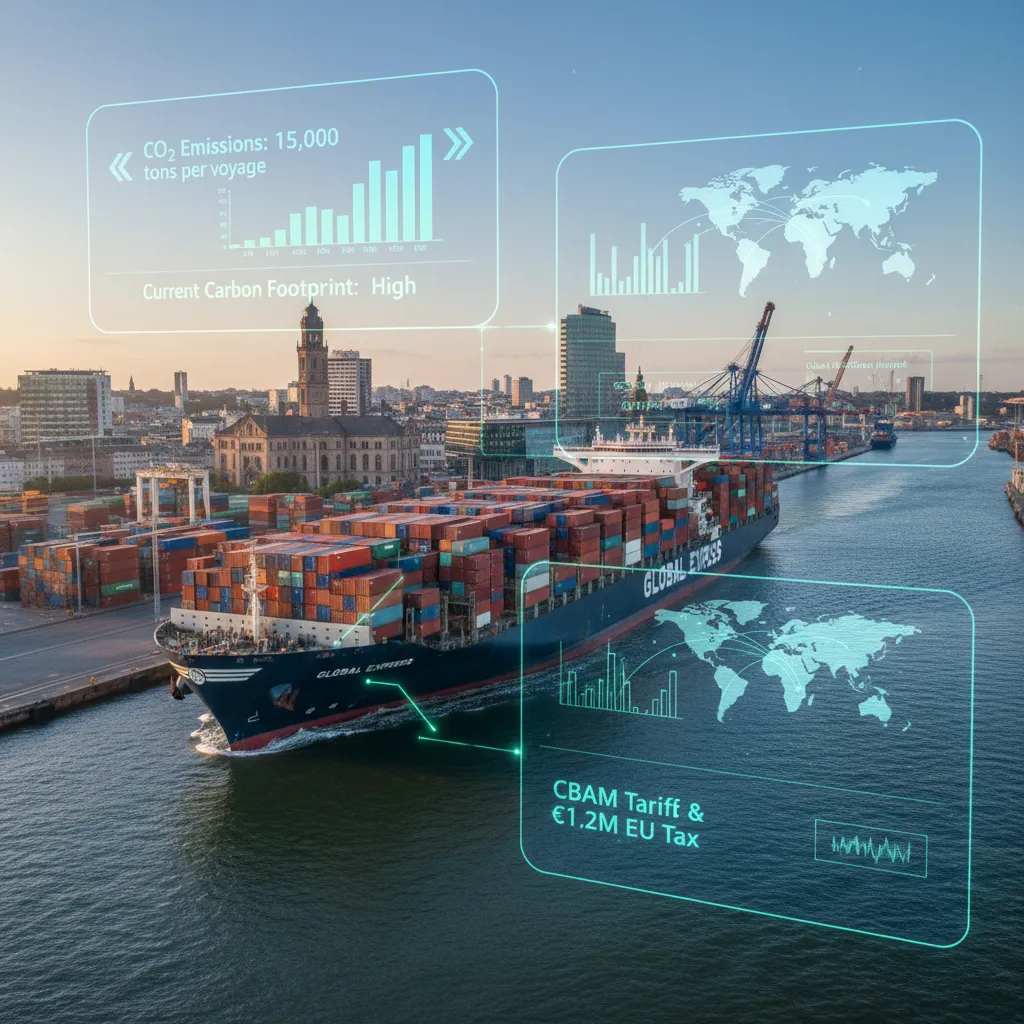
The European Union Emissions Trading System (EU ETS) remains the world’s most established carbon market, but its influence has recently expanded beyond European borders through the Carbon Border Adjustment Mechanism (CBAM). This policy is arguably the most significant trend in the 2024 global carbon market, fundamentally altering how carbon is accounted for in international supply chains.
Understanding the Mechanics of CBAM
CBAM is designed to prevent “carbon leakage”—the phenomenon where companies move production to countries with laxer emission rules to avoid carbon costs. In 2024, the transitional phase of CBAM is in full effect. Importers of goods such as steel, cement, aluminum, fertilizers, electricity, and hydrogen into the EU must now report the embedded emissions of their products. While financial payments do not fully kick in until 2026, the administrative burden and the signal it sends are immediate.
For global exporters, this creates a bifurcated market: one for low-carbon goods that can enter the EU tariff-free, and another for high-carbon goods that will face increasing penalties. This mechanism effectively exports the EU carbon price to its trading partners, forcing nations to either implement their own robust carbon pricing mechanisms or pay the difference to Brussels.
The Ripple Effect on Global Policy
The implementation of CBAM has triggered a domino effect. Countries like the United Kingdom have announced their own versions of carbon border adjustments, and discussions are heating up in Australia and the United States. This trend signifies the end of carbon pricing as a purely domestic policy tool; it is now a central pillar of international trade policy.
How Are Asian Carbon Markets Evolving in 2024?
While Europe has historically led the way, the center of gravity in global carbon markets is shifting eastward. Asia is home to some of the world’s largest and fastest-growing economies, and their adoption of carbon pricing is accelerating rapidly.

China’s ETS Expansion
China’s national ETS, already the largest in the world by covered emissions, is expanding its scope in 2024. Initially covering only the power sector, the scheme is moving to include heavy industries such as cement, electrolytic aluminum, and steel. This expansion is critical because it aligns with the sectors targeted by the EU’s CBAM, potentially allowing Chinese exporters to pay carbon costs domestically rather than to the EU.
Singapore as a Carbon Hub
Singapore has positioned itself as the premier carbon services hub for Asia. In 2024, Singapore is raising its carbon tax significantly, aiming for a trajectory that reaches SGD 50-80 per tonne by 2030. Furthermore, Singapore is pioneering the use of high-integrity international carbon credits to offset a portion of taxable emissions, creating a bridge between compliance and voluntary markets.
Developments in Japan and South Korea
Japan has launched the GX (Green Transformation) League, a voluntary-turned-compliance structure that is testing the waters for a full-fledged emissions trading scheme. Meanwhile, South Korea’s ETS is undergoing reforms to increase liquidity and allow greater participation from financial institutions, reflecting a maturing market structure.
Why is Standardization Critical for Voluntary Carbon Markets?
The Voluntary Carbon Market (VCM) faced a crisis of confidence in 2023 due to media scrutiny over the quality of offsets, particularly in avoided deforestation (REDD+) projects. The dominant trend in 2024 is the “flight to quality” and the rigorous standardization of what constitutes a valid carbon credit.

The Role of ICVCM and VCMI
Two key bodies are shaping this new era of integrity: the Integrity Council for the Voluntary Carbon Market (ICVCM) and the Voluntary Carbon Markets Integrity Initiative (VCMI).
- ICVCM (Supply Side): Has introduced the Core Carbon Principles (CCPs). Credits that meet these stringent criteria are tagged as CCP-approved, creating a two-tier market where high-quality credits command a significant price premium over unverified legacy credits.
- VCMI (Demand Side): Provides a Claims Code of Practice, guiding companies on how to credible use credits. It emphasizes that offsets should not replace decarbonization but should be used for “beyond value chain mitigation.”
Article 6 and Corresponding Adjustments
Another major trend is the operationalization of Article 6 of the Paris Agreement. This allows countries to trade carbon credits (Internationally Transferred Mitigation Outcomes or ITMOs) to meet their Nationally Determined Contributions (NDCs). A key concept here is the “Corresponding Adjustment,” which ensures that a carbon reduction is not counted twice (once by the seller country and once by the buyer). In 2024, we are seeing the first authorized Article 6.2 bilateral deals being finalized, setting a precedent for sovereign carbon trading.
What Are the Implications for NZ’s Export Competitiveness?
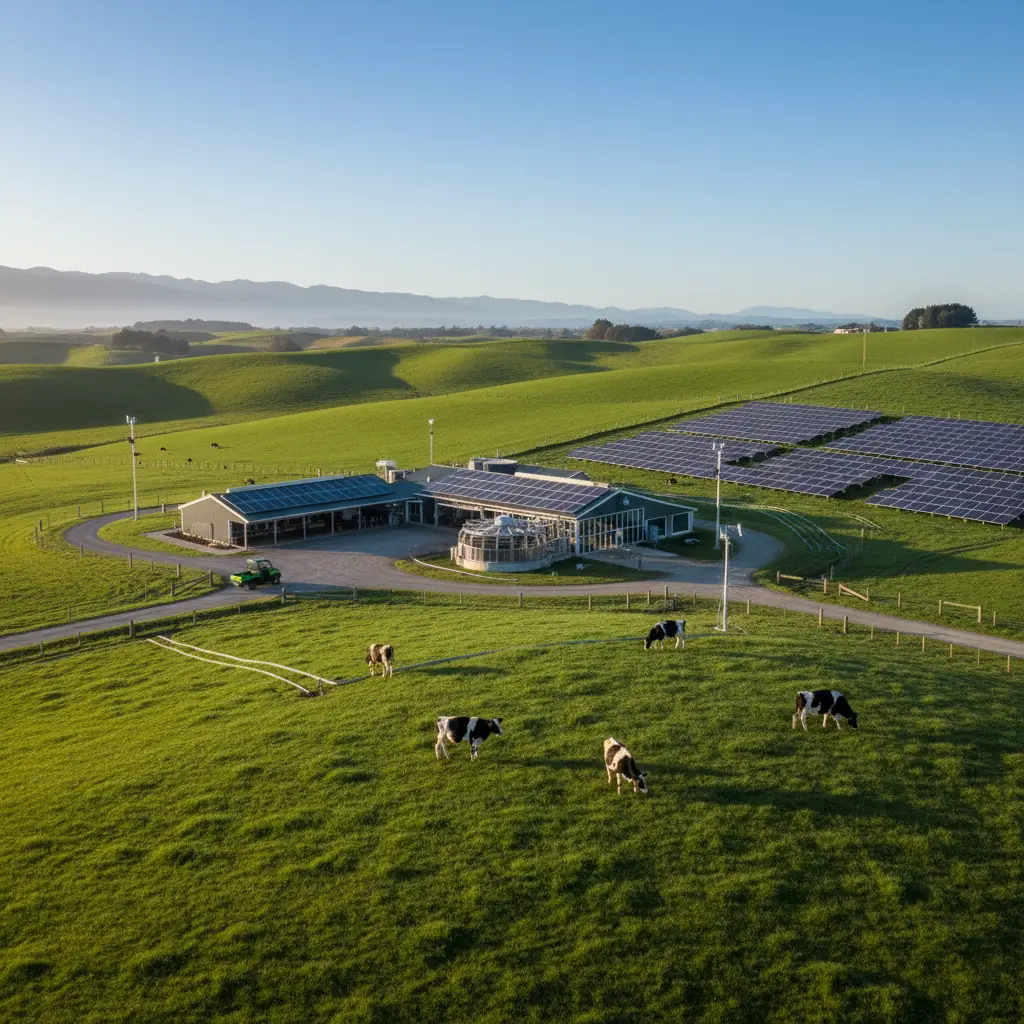
For New Zealand, a small open economy with a unique emissions profile heavily skewed toward agriculture, global carbon market trends present both existential risks and significant opportunities. The convergence of trade policy and climate policy means NZ exporters can no longer view their emissions profile in isolation.
Exposure to Carbon Tariffs
New Zealand’s agricultural exports are currently exempt from the domestic NZ ETS pricing mechanism (though reporting is mandatory). However, as the EU and potentially other trading partners implement carbon border adjustments, NZ products could face tariffs if the carbon cost paid in NZ is lower than that in the destination market. While agriculture is not yet fully included in the initial phase of EU CBAM, the trajectory is clear. If NZ delays pricing agricultural emissions, international markets may impose those costs at the border, resulting in a loss of revenue for the NZ economy without the benefit of retaining the carbon tax revenue domestically.
The Premium for Low-Carbon Products
Conversely, the global demand for low-carbon supply chains offers a premium opportunity. NZ’s electricity grid is largely renewable, giving manufactured exports a lower embedded carbon footprint compared to competitors in fossil-fuel-heavy nations. By leveraging rigorous carbon accounting and certifying products as low-carbon, NZ exporters can gain a competitive edge in markets like the EU, Japan, and the UK.
Forestry and the NZ ETS
The global trend toward high-integrity removals aligns with New Zealand’s forestry sector. However, the NZ government is reviewing the ETS to distinguish between gross emissions reductions and forestry removals. Global trends suggest a move away from relying solely on forestry to offset fossil fuel emissions, pushing for gross reductions. NZ foresters must anticipate a market where “permanent” removals (like native afforestation) may be valued differently than short-rotation exotic timber.
How is Technology Transforming Carbon Markets?
Trust is the currency of carbon markets, and technology is the mint. In 2024, Digital Monitoring, Reporting, and Verification (dMRV) is moving from pilot projects to mainstream adoption.
Satellite and AI Integration
Traditionally, verifying a forestry project required manual measurement, which is expensive and prone to error. New dMRV platforms utilize satellite imagery, LiDAR, and Artificial Intelligence to measure biomass and carbon sequestration in real-time. This granularity allows for the issuance of dynamic carbon credits, where data is transparent and audit trails are immutable.
Blockchain for Transparency
Blockchain technology is being utilized to tokenize carbon credits, preventing double-counting—a historic plague of the carbon market. By placing carbon credits on a public ledger, buyers can trace the lifecycle of a credit from issuance to retirement, ensuring that the environmental benefit is claimed only once.
Where Are Carbon Prices Heading?
Forecasting carbon prices is complex due to the interplay of policy, economics, and weather. However, the consensus for 2024 and beyond indicates an upward trajectory for high-quality compliance units and high-integrity voluntary credits.
- EU ETS Allowances (EUA): Analysts predict prices will remain robust, supported by the tightening of the emissions cap (Linear Reduction Factor) and the phasing out of free allowances for industries covered by CBAM.
- NZ Units (NZU): Domestic policy uncertainty has caused volatility, but the underlying fundamentals—increasing demand and a fixed supply cap—suggest long-term appreciation, especially if the government aligns the ETS settings with the 2050 net-zero target.
- Voluntary Credits: A price bifurcation is widening. “Junk” credits are becoming worthless, while high-integrity removal credits (Biochar, DAC, Afforestation) are seeing price increases as corporates compete for scarce, defensible offsets.
People Also Ask
What is the difference between compliance and voluntary carbon markets?
Compliance markets (like the EU ETS or NZ ETS) are mandatory schemes established by governments where regulated entities must surrender units to cover their emissions. Voluntary Carbon Markets (VCM) allow companies or individuals to purchase carbon credits on a discretionary basis to offset their own emissions or meet corporate sustainability goals.
How does the Carbon Border Adjustment Mechanism (CBAM) work?
CBAM is a policy tool used by the EU to put a fair price on the carbon emitted during the production of carbon-intensive goods that are entering the EU. It requires importers to purchase certificates equivalent to the carbon price that would have been paid had the goods been produced under the EU’s carbon pricing rules.
Will carbon prices increase in 2024?
While short-term volatility is normal, the long-term trend for carbon prices in mature compliance markets is upward. This is driven by stricter climate policies, reduced supply of allowances (caps tightening), and the expansion of carbon pricing to new sectors like shipping and aviation.
What are high-integrity carbon credits?
High-integrity carbon credits are those that meet rigorous standards for additionality (the reduction wouldn’t have happened otherwise), permanence (the carbon stays out of the atmosphere), and accurate quantification. They often adhere to the Core Carbon Principles set by the ICVCM.
How does New Zealand’s ETS compare globally?
The NZ ETS is one of the few comprehensive schemes covering all sectors (except agriculture biogenic methane) and forestry. Unlike many other schemes, it allows unlimited forestry removals to offset emissions, a feature currently under review to ensure it drives actual gross emission reductions alongside planting.
What is Article 6 of the Paris Agreement?
Article 6 establishes a framework for countries to cooperate voluntarily in implementing their Nationally Determined Contributions (NDCs). It allows for the international transfer of carbon credits (ITMOs), enabling countries that exceed their targets to sell emission reductions to other nations.
About The Author
