He Waka Eke Noa Updates
He Waka Eke Noa updates encompass the latest developments in New Zealand’s primary sector climate action partnership. This initiative seeks to price agricultural greenhouse gas emissions at the farm level rather than through the Emissions Trading Scheme. Recent changes include government-led shifts toward practical, technology-based solutions to ensure farming remains viable while meeting climate targets.
What is the Primary Sector Climate Action Partnership?
The Primary Sector Climate Action Partnership, known as He Waka Eke Noa, was established in 2019 as a world-first collaboration between the New Zealand government, primary industry bodies, and iwi. The partnership’s fundamental goal was to develop a framework for measuring, reporting, and pricing agricultural greenhouse gas emissions outside of the New Zealand Emissions Trading Scheme (NZ ETS). By focusing on a farm-level approach, the partnership aimed to provide farmers with greater control over their emissions profiles and reward those who implemented sustainable practices.

For decades, agriculture has been a cornerstone of the New Zealand economy, but it also accounts for approximately 50% of the nation’s total greenhouse gas emissions. The He Waka Eke Noa updates represent a critical pivot in how the country addresses its commitments under the Paris Agreement and the domestic Zero Carbon Act. The partnership included thirteen key organizations, including DairyNZ, Beef + Lamb New Zealand, and Federated Farmers, working together to find a balance between environmental responsibility and economic productivity.
How Does Pricing Agricultural Emissions Work?
Pricing agricultural emissions is a complex undertaking because it involves biological processes rather than simple industrial combustion. Unlike carbon dioxide from fossil fuels, agricultural emissions primarily consist of biogenic methane from livestock and nitrous oxide from soil and fertilizer use. The He Waka Eke Noa updates have consistently focused on a ‘split-gas’ approach, which recognizes that methane is a short-lived gas with different atmospheric impacts compared to long-lived gases like carbon dioxide.
The Split-Gas Approach Explained
The split-gas approach is a cornerstone of the proposed pricing mechanism. Under this model, biogenic methane is treated separately from nitrous oxide and carbon dioxide. This distinction is vital for New Zealand’s unique emissions profile. Methane, while powerful in its warming potential, breaks down in the atmosphere much faster than CO2. Consequently, the targets for methane reduction are often framed as ‘no further warming’ rather than ‘net zero.’ Recent updates have seen intense debate over the exact price points for these gases and how they align with the global GWP* metric versus the traditional GWP100 metric.
Recent He Waka Eke Noa Updates and Policy Changes
The landscape of agricultural climate policy in New Zealand shifted significantly following the 2023 General Election. The incoming coalition government, led by the National Party with support from ACT and NZ First, announced substantial changes to the He Waka Eke Noa framework. One of the most significant updates was the decision to formally disband the He Waka Eke Noa partnership in its original form and replace it with a new Pastoral Sector Group.
Transition to the Pastoral Sector Group
The transition away from the original partnership structure was motivated by a desire to reduce bureaucracy and focus on technological solutions. The new government has signaled that agricultural emissions pricing will not be introduced until at least 2030, a significant delay from the previous 2025 target. This update has been met with mixed reactions; while many farmers welcome the breathing room, environmental advocates express concern about the delay in meeting international climate obligations. The focus has now shifted toward ‘Pasture to Plate’ transparency and investing in methane-inhibiting technologies and vaccines.
Farmer Feedback and Policy Refinement
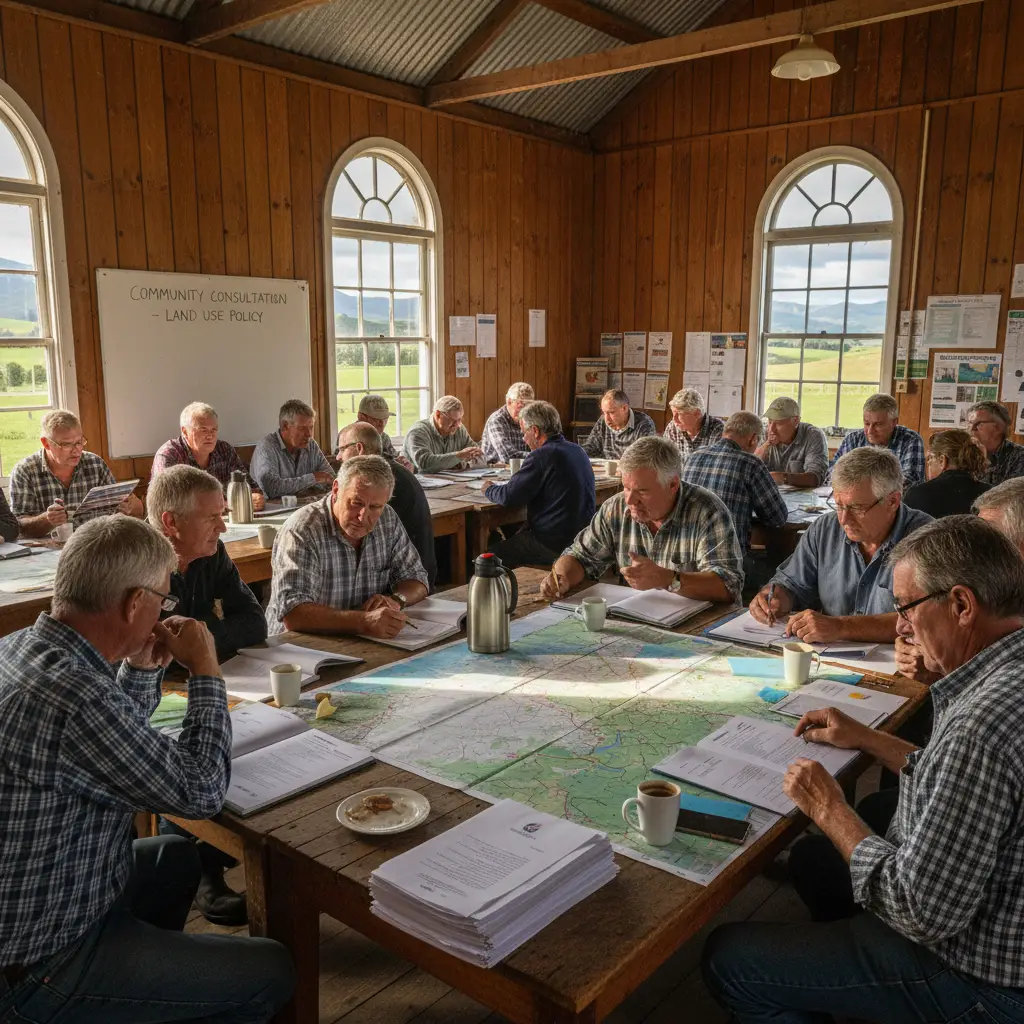
Throughout the development of He Waka Eke Noa, farmer feedback has been a driving force for change. Many in the rural community expressed deep concerns regarding the potential impact of emissions pricing on farm viability and the risk of ‘carbon leakage’—where production simply moves to less efficient countries. This feedback led to significant refinements in how sequestration is recognized.
Recognizing On-Farm Sequestration
A major point of contention in the He Waka Eke Noa updates has been the recognition of carbon sequestration on farms. Farmers argued that if they are to be charged for emissions, they must also be credited for the carbon absorbed by their trees, shrubs, and riparian plantings that do not qualify for the NZ ETS. Recent policy discussions have focused on creating a scientifically robust system to account for this sequestration, ensuring that farmers are incentivized to maintain and expand green spaces on their properties.
International Context and Global Competitiveness
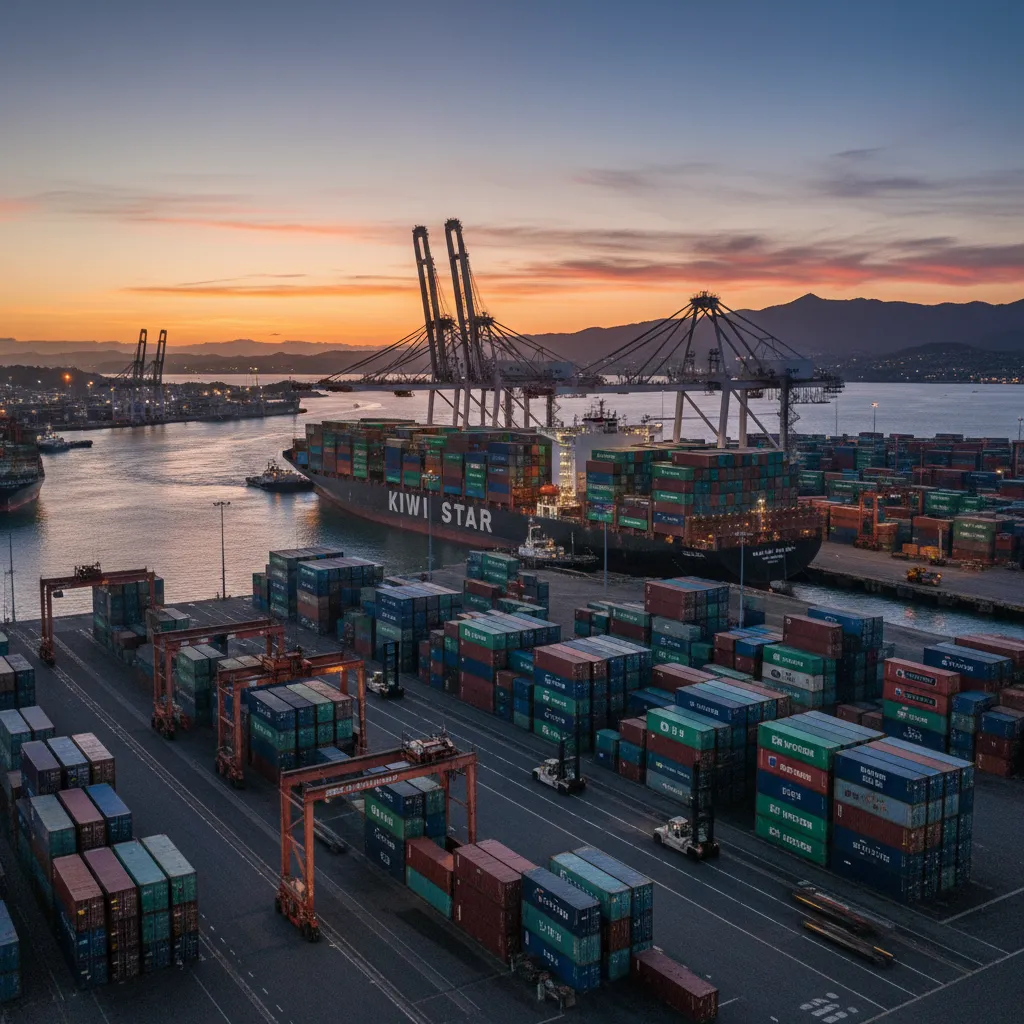
New Zealand’s approach to agricultural emissions is being watched closely by the international community. As global consumers increasingly demand low-carbon products, the He Waka Eke Noa updates are not just about domestic compliance but also about maintaining market access. Major exporters like Fonterra and Silver Fern Farms have already begun implementing their own sustainability targets to satisfy international buyers like Nestle and McDonald’s.
By leading the way in farm-level emissions reporting, New Zealand aims to position its dairy and meat products as the most sustainable in the world. This ‘social license to operate’ is essential for maintaining the premium prices that New Zealand exports command. The challenge lies in ensuring that the costs of the pricing system do not outweigh the market benefits, a balance that remains a central theme in the latest policy updates.
Implementation Timeline and Future Outlook
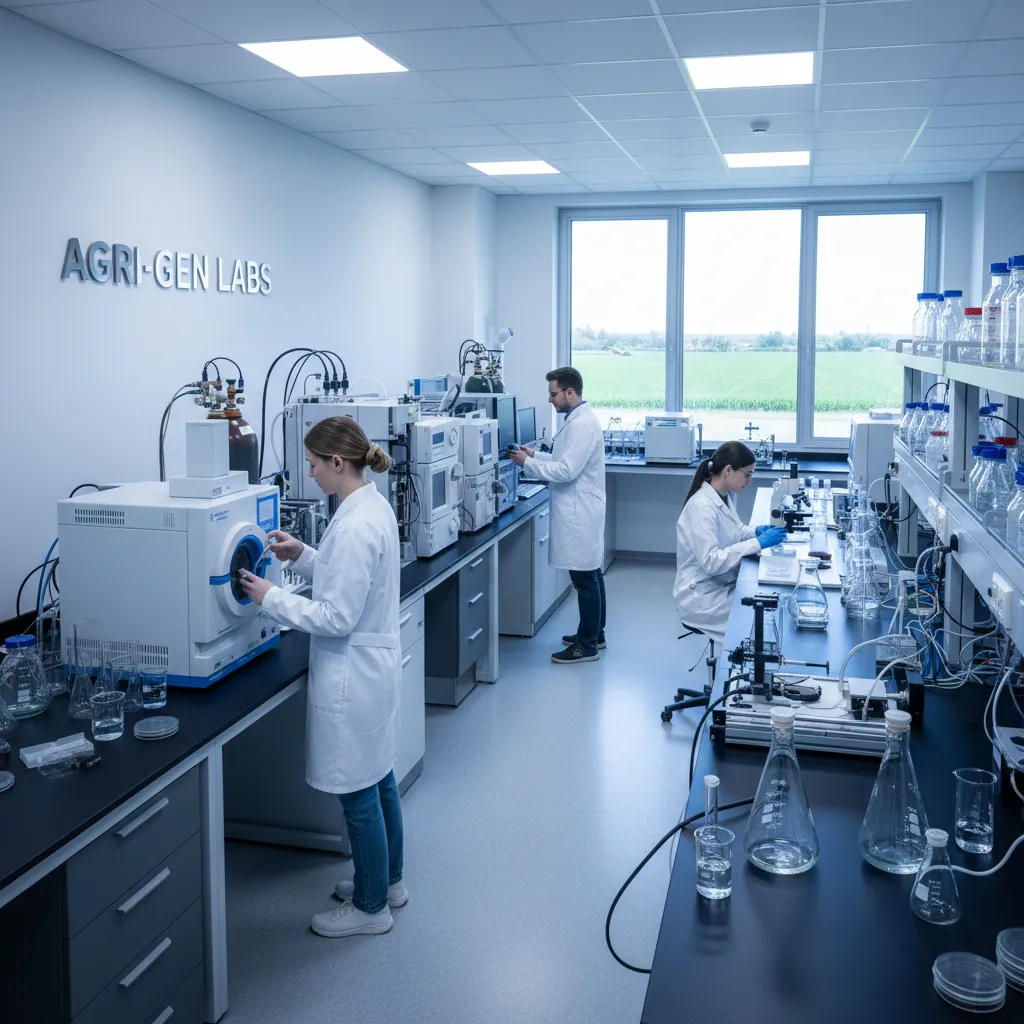
The current implementation timeline for agricultural emissions pricing in New Zealand has been extended. The primary goal for the 2024-2025 period is to finalize the methodology for measuring emissions at the farm level and to continue the rollout of Farm Environment Plans (FEPs). These plans are essential tools for farmers to identify their emissions sources and implement mitigation strategies. While the formal pricing mechanism is currently slated for a 2030 start under the new government’s direction, the voluntary reporting phase is already well underway.
Looking forward, the success of New Zealand’s climate strategy will depend on the development of viable mitigation technologies. Research into methane inhibitors, low-emission genetics, and specialized fertilizers is accelerating. The government has committed to reinvesting any revenue generated from future emissions pricing back into the sector to fund further research and development. This circular approach is intended to ensure that the primary sector remains the engine of the New Zealand economy while transitioning to a low-emissions future.
Conclusion
The He Waka Eke Noa updates reflect the complex reality of balancing environmental imperatives with economic necessity. As the policy continues to evolve from a collaborative partnership to a government-led strategic framework, the focus remains on practical, science-based solutions. For New Zealand farmers, staying informed about these changes is crucial for long-term business planning and ensuring that the country remains a global leader in sustainable agriculture.
What is the current status of He Waka Eke Noa?
The original He Waka Eke Noa partnership has been disbanded by the coalition government and replaced by a new Pastoral Sector Group. The focus has shifted toward technological solutions and delaying emissions pricing until 2030.
Will New Zealand farmers have to pay for emissions?
Under current government policy, agricultural emissions pricing has been delayed until at least 2030. However, farmers are still encouraged to measure and report their emissions voluntarily to prepare for future requirements.
What does the 2024 government change mean for He Waka Eke Noa?
The 2024 updates signify a move away from the previous pricing timeline and a greater emphasis on ensuring that no pricing is introduced until viable mitigation technologies are available for farmers to use.
How do farmers report their greenhouse gas emissions?
Farmers can use various industry-approved tools, such as Overseer or the Beef + Lamb NZ GHG calculator, to estimate their farm’s emissions based on livestock numbers, fertilizer use, and production data.
What is the difference between the ETS and He Waka Eke Noa?
The NZ ETS is a broad market for carbon trading, while He Waka Eke Noa was specifically designed as a farm-level alternative to avoid the complexities and costs associated with bringing agriculture directly into the ETS.
Is sequestration included in the new agricultural pricing model?
Yes, recognizing on-farm sequestration that falls outside the NZ ETS (like riparian planting and small woodlots) remains a key component of the ongoing policy discussions to ensure farmers get credit for their carbon sinks.
About The Author
