Residential Energy Efficiency NZ
Residential energy efficiency in New Zealand involves optimizing home performance through upgraded insulation, double glazing, and efficient heating systems to minimize energy waste and lower carbon emissions. Driven by the Zero Carbon Act and updated Building Code H1 standards, these measures aim to create warmer, drier homes that reduce electricity costs and support the national goal of net-zero emissions by 2050.
How does the Zero Carbon Act impact residential housing?
The Climate Change Response (Zero Carbon) Amendment Act 2019 serves as the legislative backbone for New Zealand’s transition to a low-emissions economy. For the residential sector, this legislation signals a paradigm shift from voluntary efficiency to mandatory performance requirements. Buildings are significant contributors to carbon emissions, both through embodied carbon in construction materials and operational carbon from energy usage.
Under the Act, the government has established emissions budgets that require systemic changes in how New Zealanders build and renovate. This has directly influenced the Ministry of Business, Innovation and Employment (MBIE) to tighten the Building Code, specifically Clause H1 (Energy Efficiency). The goal is not merely to reduce electricity bills, but to lower the national demand on the grid, especially during peak winter periods when fossil fuels are often burned to meet demand.
For homeowners and landlords, this means that “energy efficiency” is no longer a buzzword but a compliance issue. The trajectory is clear: future property values will increasingly be tied to energy performance, and non-compliant older homes may face depreciation or require significant capital investment to meet market expectations.

What are the current Insulation and Heating Standards?
The landscape of insulation and heating in New Zealand has undergone its most significant overhaul in decades. The days of uninsulated villas and drafty bungalows are being legislated out of existence through two primary mechanisms: the Healthy Homes Standards for rentals and the updated H1 Energy Efficiency clause for new builds.
The H1 Building Code Updates
Recent updates to the H1 Building Code have drastically increased the R-value requirements for insulation in new homes. The country has been divided into six climate zones (up from three), recognizing that a house in Queenstown (Zone 6) requires significantly more thermal protection than a house in Auckland (Zone 1).
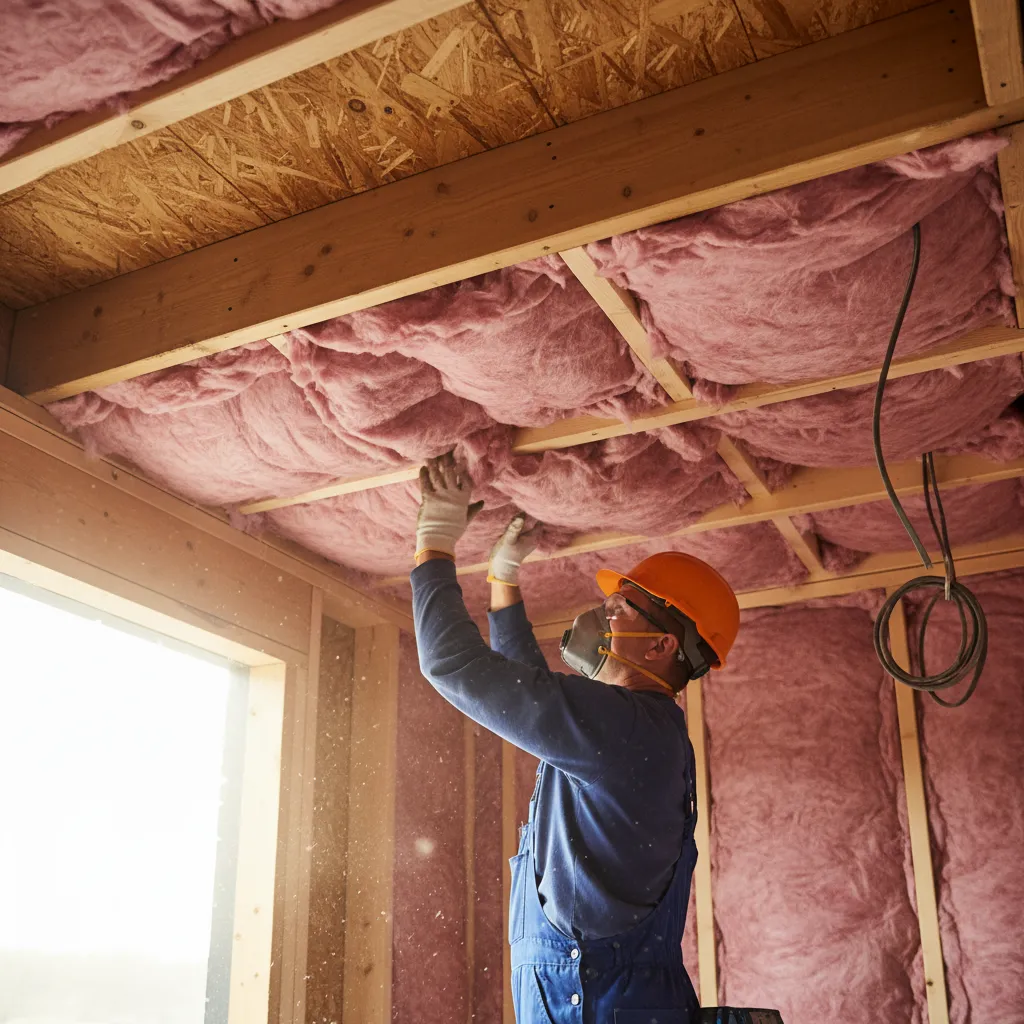
- Ceiling Insulation: The minimum R-value for roof insulation has effectively doubled in many regions, moving towards R6.6. This requires a double-layer install or high-performance truss systems to accommodate the thickness of the material.
- Windows: The transition to thermally broken aluminium joinery and high-performance Low-E double glazing is now effectively mandatory to meet the new R0.46 – R0.50 requirements for windows. Standard aluminum frames act as thermal bridges, conducting heat out of the home, which the new standards aim to eliminate.
- Underfloor: Slab-on-ground floors now require better edge insulation or overall thermal performance to prevent heat loss into the ground.
Healthy Homes Standards for Rentals
For existing rental properties, the Healthy Homes Standards set the baseline. Landlords must ensure:
- Heating: The main living room must have a fixed heating device capable of maintaining 18°C on the coldest days of the year.
- Insulation: Ceiling and underfloor insulation must meet 2008 Building Code standards or be at least 120mm thick.
- Ventilation: Kitchens and bathrooms must have mechanical extraction fans to remove moisture, a key factor in heating efficiency (dry air is cheaper to heat than damp air).
How do Energy Rating Schemes work in NZ?
You cannot manage what you do not measure. Energy rating schemes provide the metrics needed to quantify a home’s performance. In New Zealand, the two dominant frameworks are Homestar and the emerging use of energy certificates.
Homestar (NZGBC)
Run by the New Zealand Green Building Council (NZGBC), Homestar is a comprehensive rating tool that evaluates a home’s health, warmth, and efficiency on a scale from 6 to 10. A rating of 6 Homestar is generally considered the new baseline for a quality modern home, exceeding the minimum Building Code. A 10 Homestar rating represents world-leading sustainability.
Homestar assesses several categories:
- Thermal Comfort: How much heating or cooling is required to stay comfortable.
- Water Efficiency: Use of low-flow fittings and rainwater harvesting.
- Energy: Efficiency of appliances, lighting, and heating systems.
- Materials: Use of sustainable, low-VOC materials.
Home Energy Rating Schemes (HERS)
While Homestar covers broader sustainability, specific energy ratings focus purely on thermal performance. There is a growing push within the industry for mandatory Energy Performance Certificates (EPCs) at the point of sale, similar to the system used in the UK and Europe. This would provide transparency to buyers, revealing the “miles per gallon” of a house before purchase. Currently, tools like the Passive House standard are also gaining traction for those seeking the ultimate in energy efficiency, utilizing airtight construction and mechanical heat recovery ventilation.
What are the best retrofitting options for efficiency?
Since the majority of New Zealand’s housing stock for 2050 has already been built, retrofitting existing homes is critical. Improving the thermal envelope is the first step before upgrading heating sources.
Window Retrofitting
Single glazing is a major source of heat loss. Retrofitting involves either installing new double-glazed inserts into existing timber frames or completely replacing the joinery with uPVC or thermally broken aluminum. uPVC is particularly effective in the NZ maritime climate as it is a natural insulator and does not corrode.
Heat Pumps and HVAC
Once the insulation is sorted, the heat source matters. Heat pumps are the most efficient heating technology available in NZ, often delivering 3 to 4 units of heat for every 1 unit of electricity consumed (COP of 3.0-4.0). However, their efficiency drops if the home is not airtight.
Ducted Heat Pump Systems: These provide central heating, distributing warm air to every room. This eliminates the “cold hallway” problem common in Kiwi homes where only the lounge is heated.
Balanced Pressure Ventilation: In airtight retrofits, a heat recovery ventilation (HRV) system is essential. It recovers heat from stale exhaust air and transfers it to fresh incoming air, ensuring ventilation does not compromise thermal efficiency.
How do Smart Home Technologies improve efficiency?
Smart home technology has evolved from novelty gadgets to essential energy management tools. By automating energy use, homeowners can reduce waste without sacrificing comfort.
Energy Monitoring and Management
Real-time energy monitors (like those offered by some power companies or third-party devices) allow residents to see exactly where power is being used. When paired with smart plugs and appliances, “phantom loads”—appliances that draw power while in standby—can be eliminated.
Smart Thermostats and Zoning
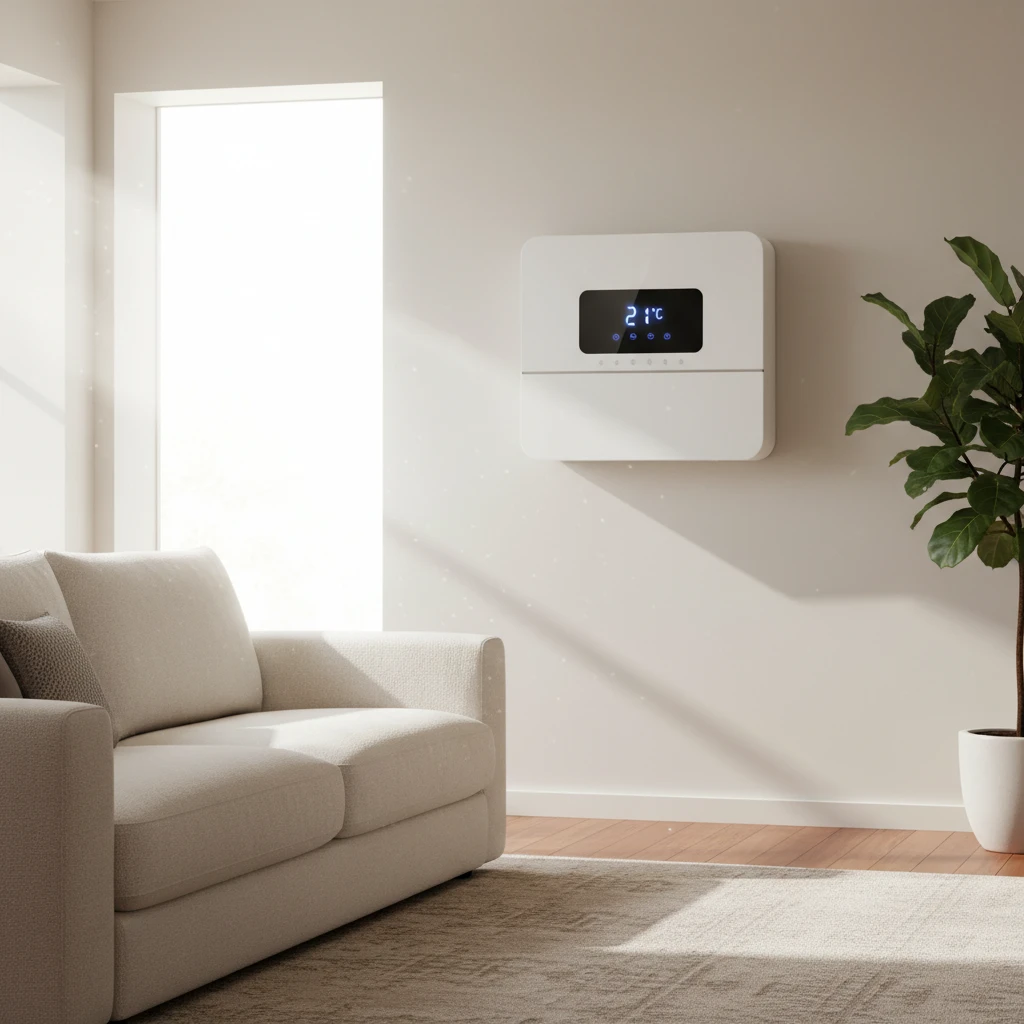
Smart thermostats allow heating to be scheduled around lifestyle. Geofencing technology can turn the heating off when the last person leaves the house and turn it back on when someone is approaching. Furthermore, smart zoning allows different rooms to be heated to different temperatures, ensuring energy isn’t wasted heating empty bedrooms during the day.
Solar and Battery Integration
The ultimate smart energy solution involves Grid-Tied Solar PV with Battery Storage. Smart inverters can manage energy flow, storing excess solar power in batteries (or an EV) for use during peak tariff times. This “load shifting” not only saves money but stabilizes the national grid.

What Government Funding is available?
To accelerate the uptake of energy efficiency, the New Zealand government, primarily through the Energy Efficiency and Conservation Authority (EECA), offers several programs.
Warmer Kiwi Homes Programme
This program provides grants to cover a significant portion (often 80-100%) of the cost of ceiling and underfloor insulation, as well as heat pumps or efficient wood burners. Eligibility usually depends on living in a lower-income area (decile 8, 9, or 10) or holding a Community Services Card.
Bank Green Loans
Most major New Zealand banks now offer “Green Loans” or “Healthy Homes top-ups.” These are typically interest-free or extremely low-interest loans (e.g., 1% for 3 years) specifically for energy efficiency upgrades like double glazing, insulation, solar panels, and EVs. This financial instrument drastically improves the Return on Investment (ROI) for retrofitting, making high-spec upgrades accessible to the average homeowner.
People Also Ask
What is the most cost-effective way to improve energy efficiency in an NZ home?
Ceiling insulation is widely considered the most cost-effective upgrade. Up to 35% of heat loss occurs through the roof. Installing or topping up ceiling insulation provides an immediate improvement in thermal retention for a relatively low material and labor cost compared to other upgrades like double glazing.
How does the H1 Building Code change effect renovations?
If a renovation requires a building consent and involves the thermal envelope (walls, roof, windows), the new work must generally comply with the updated H1 standards. This means you may need to install higher R-value insulation and better glazing in the renovated sections than what was previously required.
Are heat pumps efficient in freezing temperatures?
Yes, modern heat pumps are designed to operate efficiently even when outside temperatures drop below zero. While their efficiency (Coefficient of Performance) decreases slightly as the temperature drops, they remain significantly more efficient than resistive electric heaters down to temperatures as low as -15°C.
Is double glazing worth the cost in New Zealand?
Yes, particularly for health and comfort. While the financial payback period can be long based solely on energy savings, double glazing significantly reduces condensation (weeping windows), noise pollution, and cold drafts, which protects the home’s structure and improves occupant health.
What is the difference between Homestar and HERS?
Homestar is a holistic rating tool that measures the overall sustainability of a home, including water, waste, and materials. HERS (Home Energy Rating Schemes) typically focus strictly on the thermal performance and energy consumption of the building envelope.
Can I get a grant for solar panels in NZ?
Direct government grants for solar panels are rare for general homeowners, though some specific regional schemes exist. However, the primary support mechanism is through low-interest “Green Loans” offered by banks, which allow homeowners to finance solar installations at rates significantly lower than standard mortgage rates.
About The Author
