
Local Government Climate Mandates
Local government climate mandates in NZ are statutory obligations derived primarily from the Local Government Act 2002 and the Climate Change Response (Zero Carbon) Amendment Act 2019. These mandates require councils to integrate climate adaptation and mitigation strategies into Long-Term Plans (LTPs), disclose climate-related financial risks, and ensure infrastructure...
Read More

Climate Risk Disclosure NZ
Climate risk disclosure in New Zealand is a mandatory reporting regime requiring large financial institutions and listed companies to publicly disclose climate-related risks and opportunities. Governed by the External Reporting Board (XRB) standards, this framework ensures transparency regarding how entities manage physical and transition climate impacts under the Financial...
Read More

Waste Minimisation Act NZ
The Waste Minimisation Act 2008 is New Zealand’s primary legislation aimed at reducing waste generation and disposal. It establishes a waste disposal levy to fund minimization initiatives, creates a regulatory framework for product stewardship schemes, and mandates the formation of a Waste Advisory Board to guide the nation toward...
Read More
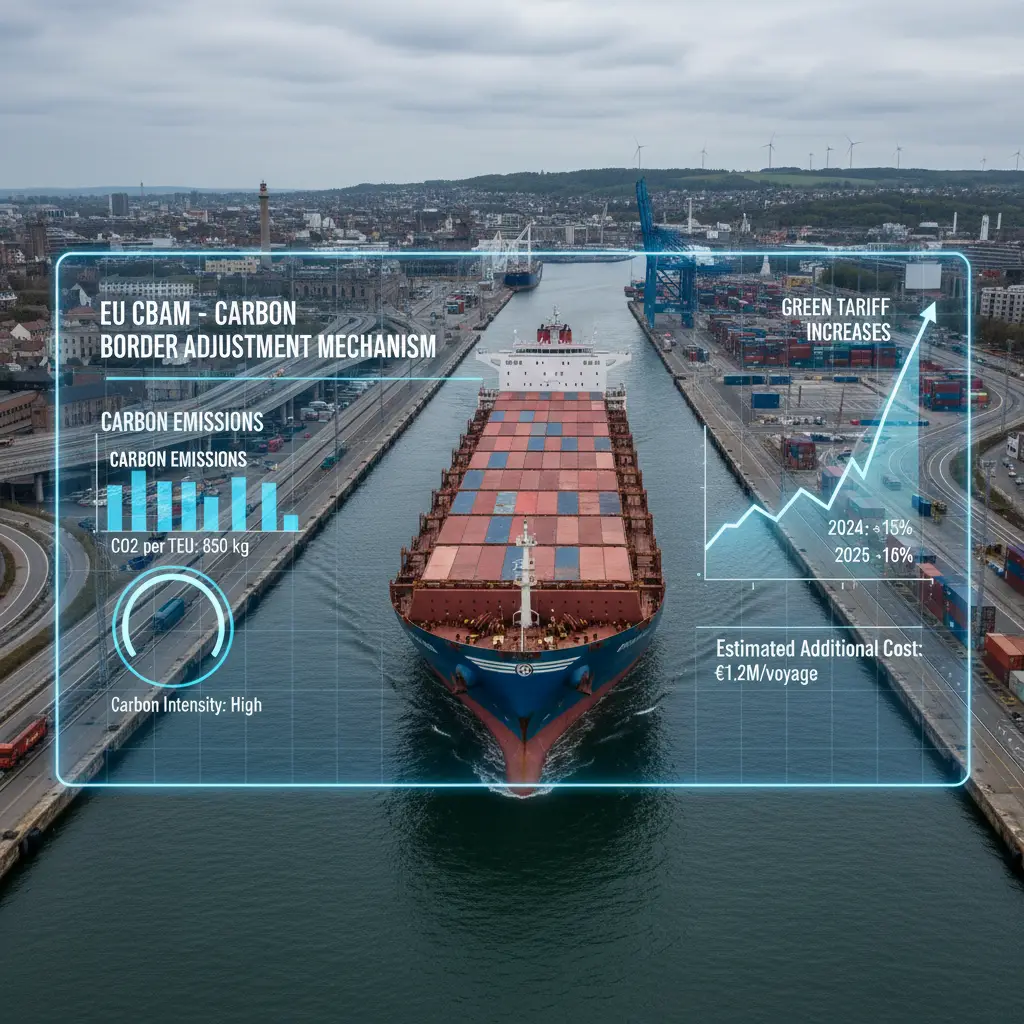
EU Carbon Border Adjustment (CBAM) Impact
The EU Carbon Border Adjustment Mechanism (CBAM) impacts New Zealand exporters by imposing a carbon price on carbon-intensive goods entering the European Union. Initially targeting steel, aluminum, and fertilizers, it mandates that NZ businesses quantify embedded emissions and eventually purchase CBAM certificates, bridging the gap between NZ ETS costs...
Read More

Coastal Hazards and Managed Retreat
Managed retreat NZ policy refers to the strategic, planned relocation of communities, infrastructure, and assets away from areas at high risk of natural hazards, particularly coastal erosion and sea-level rise. It serves as a critical component of the National Adaptation Plan, utilizing legal frameworks and financial mechanisms to facilitate...
Read More

Voluntary vs Mandatory Carbon Markets
The primary difference between voluntary vs mandatory carbon markets lies in the obligation to participate. Mandatory markets, like the New Zealand Emissions Trading Scheme (NZ ETS), are legally binding regulations requiring specific sectors to surrender units for emissions. In contrast, voluntary carbon markets (VCM) allow organizations to purchase credits...
Read More

Solar Power Incentives NZ
Solar power incentives in New Zealand primarily consist of bank-issued “Green Loans” offering 0% or 1% interest rates for sustainable upgrades, alongside Grid Export Credits (buy-back rates) where retailers pay for excess electricity generated. While direct government cash subsidies for private solar installations are currently limited, these financial mechanisms...
Read More

International Climate Finance & NZ
International climate finance refers to local, national, or transnational financing drawn from public, private, and alternative sources that seeks to support mitigation and adaptation actions that will address climate change. For New Zealand, this involves both contributing significant aid to developing nations—particularly in the Pacific—and attracting global capital to...
Read More

Sustainable Transport Wellington
Sustainable transport in Wellington refers to the capital city’s comprehensive strategy to achieve net-zero carbon emissions by 2050 through the electrification of public transit fleets, the rapid expansion of the Paneke Pōneke cycleway network, and urban design changes that prioritize pedestrian mobility over private vehicle ownership. Wellington stands at...
Read More

Youth Climate Action NZ Resources
Youth climate action NZ refers to the coordinated mobilization of rangatahi (young people) across Aotearoa to influence legislative policy, specifically the Zero Carbon Act, through grassroots movements like School Strike 4 Climate, local government youth advisory groups, and educational initiatives centered on Kaitiakitanga and climate justice. Table of Contents...
Read More