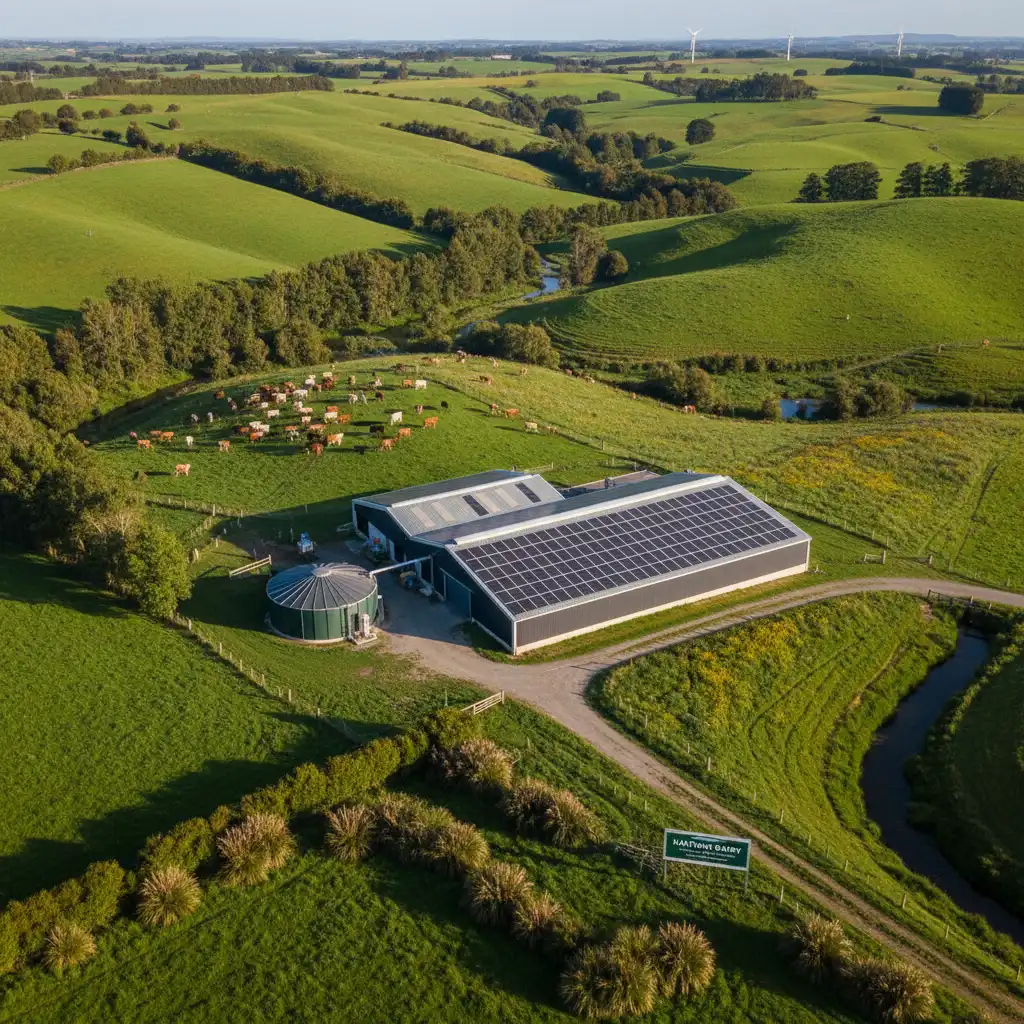
Sustainable Dairy Farming NZ
Sustainable dairy farming in NZ refers to agricultural practices that balance high milk production with environmental stewardship. It focuses on reducing greenhouse gas emissions, protecting water quality, and optimizing effluent management to meet the requirements of the Zero Carbon Act 2019, ensuring the long-term viability of New Zealand’s primary...
Read More
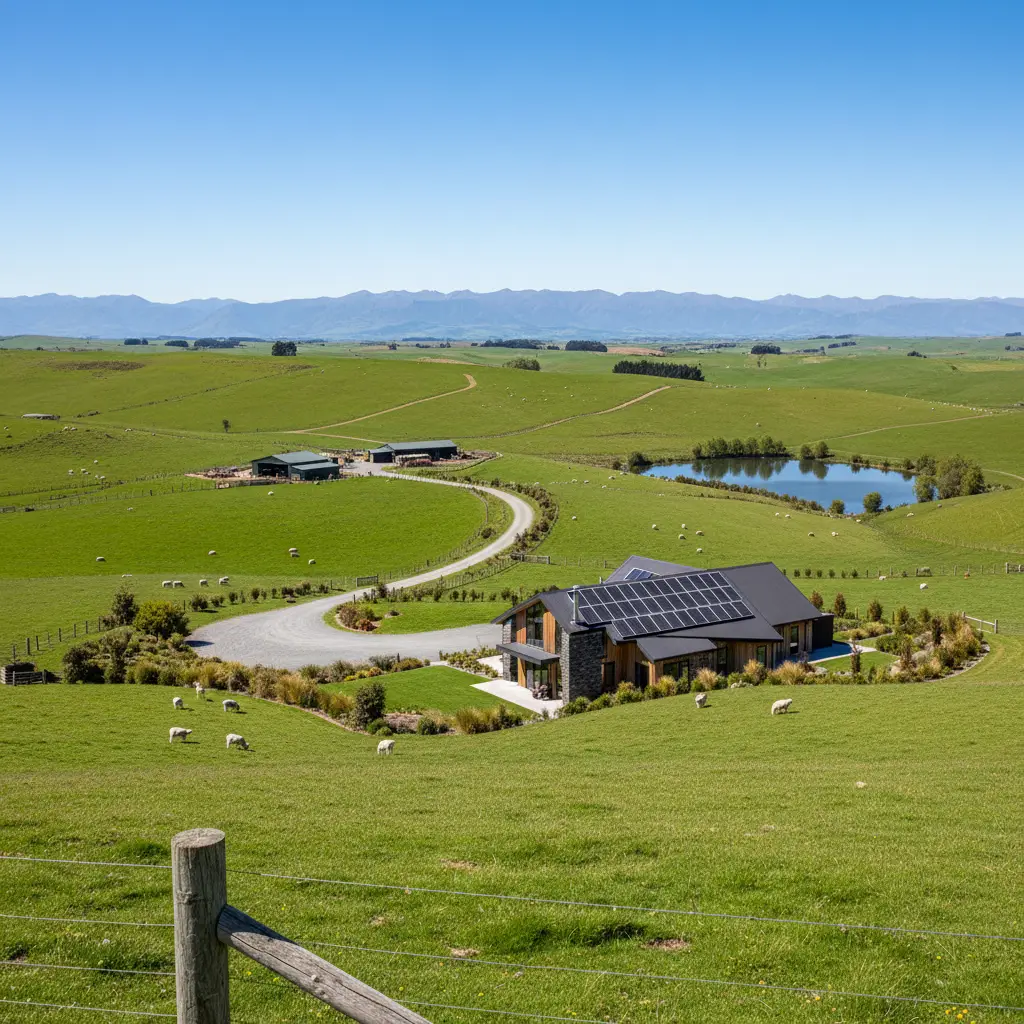
Agricultural Emissions Pricing
Agricultural emissions pricing in NZ is a world-first regulatory framework designed to charge farmers for greenhouse gas emissions, specifically biogenic methane and nitrous oxide. Integrated into the Zero Carbon Act, this pricing mechanism incentivizes the reduction of farm-level emissions to meet national 2030 and 2050 climate targets while maintaining...
Read More
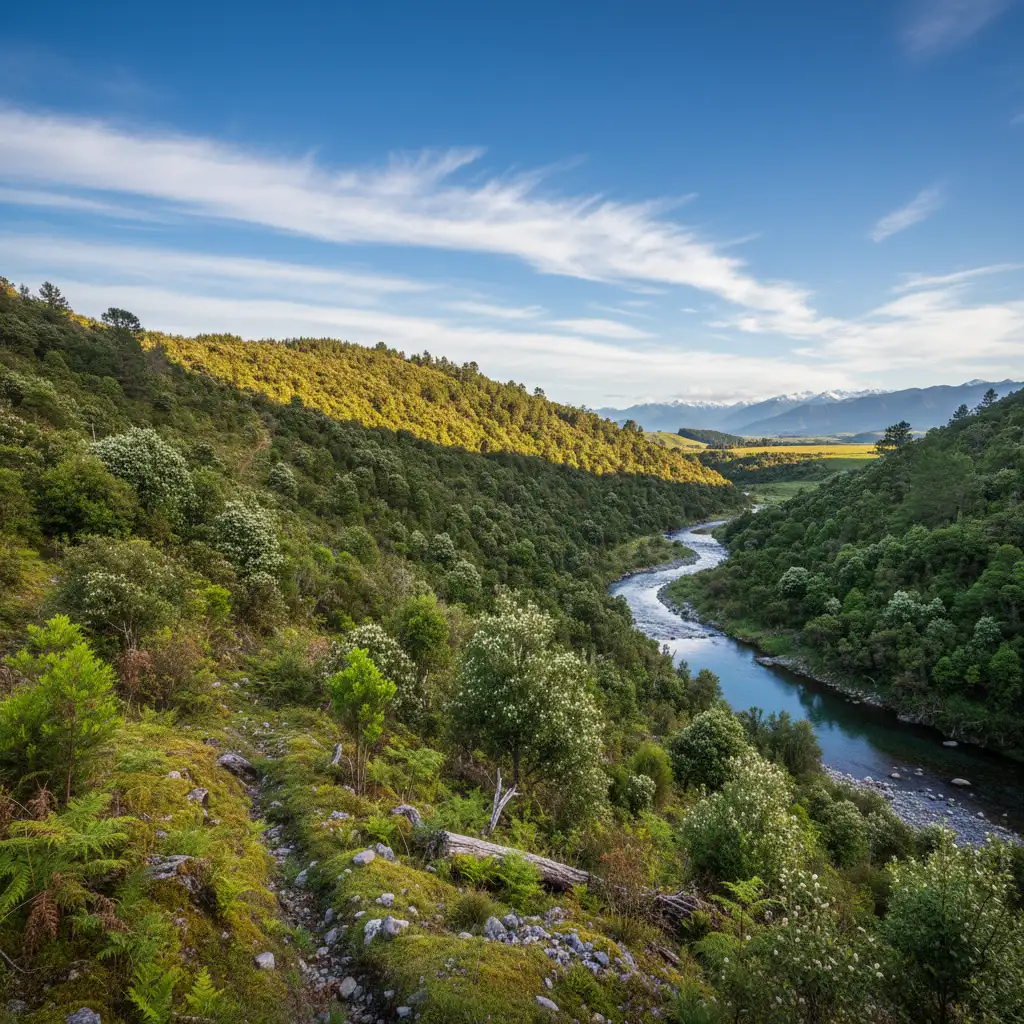
On-Farm Sequestration Rules
On-farm sequestration in New Zealand refers to the removal of carbon dioxide from the atmosphere by vegetation on agricultural land, such as indigenous forests, woodlots, and riparian plantings. Under the Zero Carbon Act, these sinks are essential for offsetting agricultural emissions, helping farmers manage their net carbon footprint and...
Read More
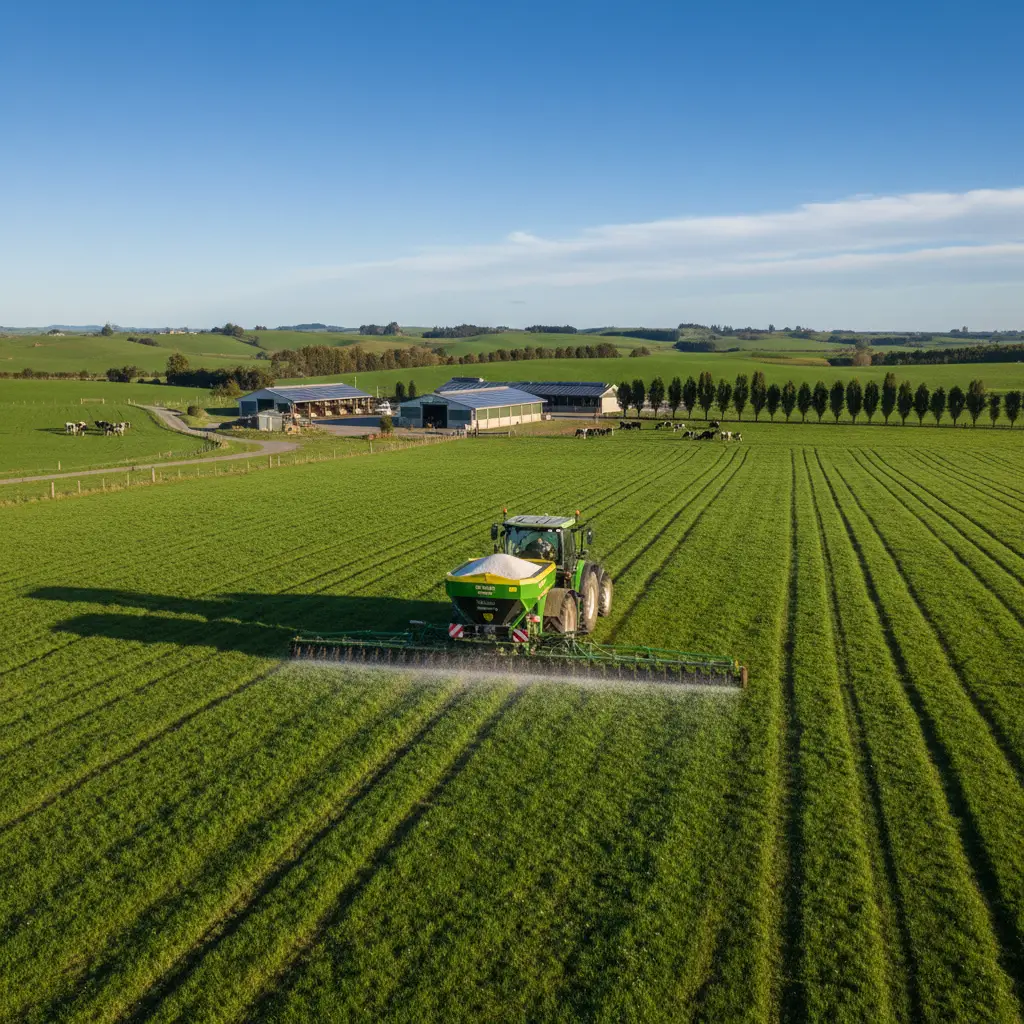
Nitrogen Fertilizer Limits NZ
Nitrogen fertilizer limits in NZ refer to the mandatory 190kg per hectare per year cap on synthetic nitrogen application for pastoral land. Established under the National Policy Statement for Freshwater Management 2020, these regulations aim to improve water quality by reducing nitrate leaching into waterways and groundwater systems across...
Read More
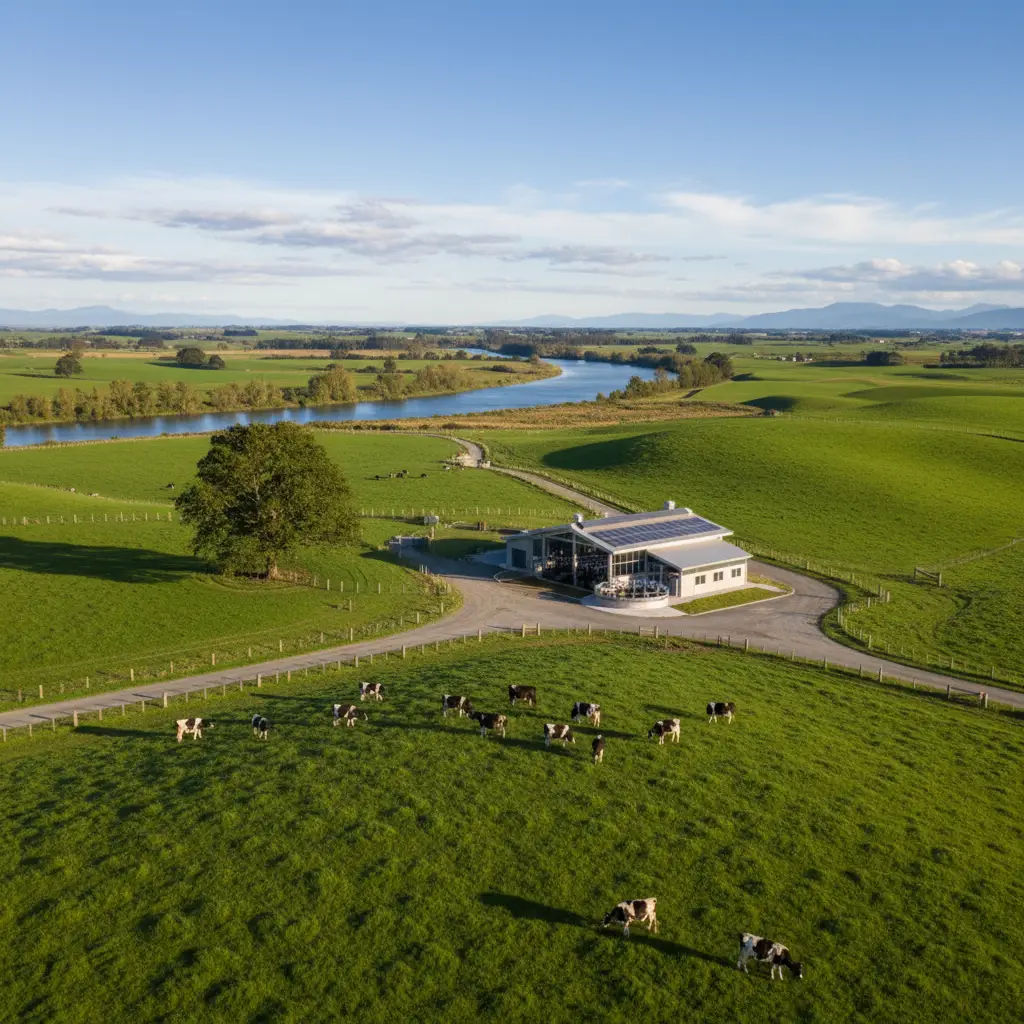
Methane Reduction Tech for NZ
New Zealand faces a unique challenge in the global effort to combat climate change. Unlike many developed nations where transport or energy sectors dominate emissions, nearly half of New Zealand’s greenhouse gas profile comes from agriculture, specifically biogenic methane from livestock. As the nation strives to meet the ambitious...
Read More
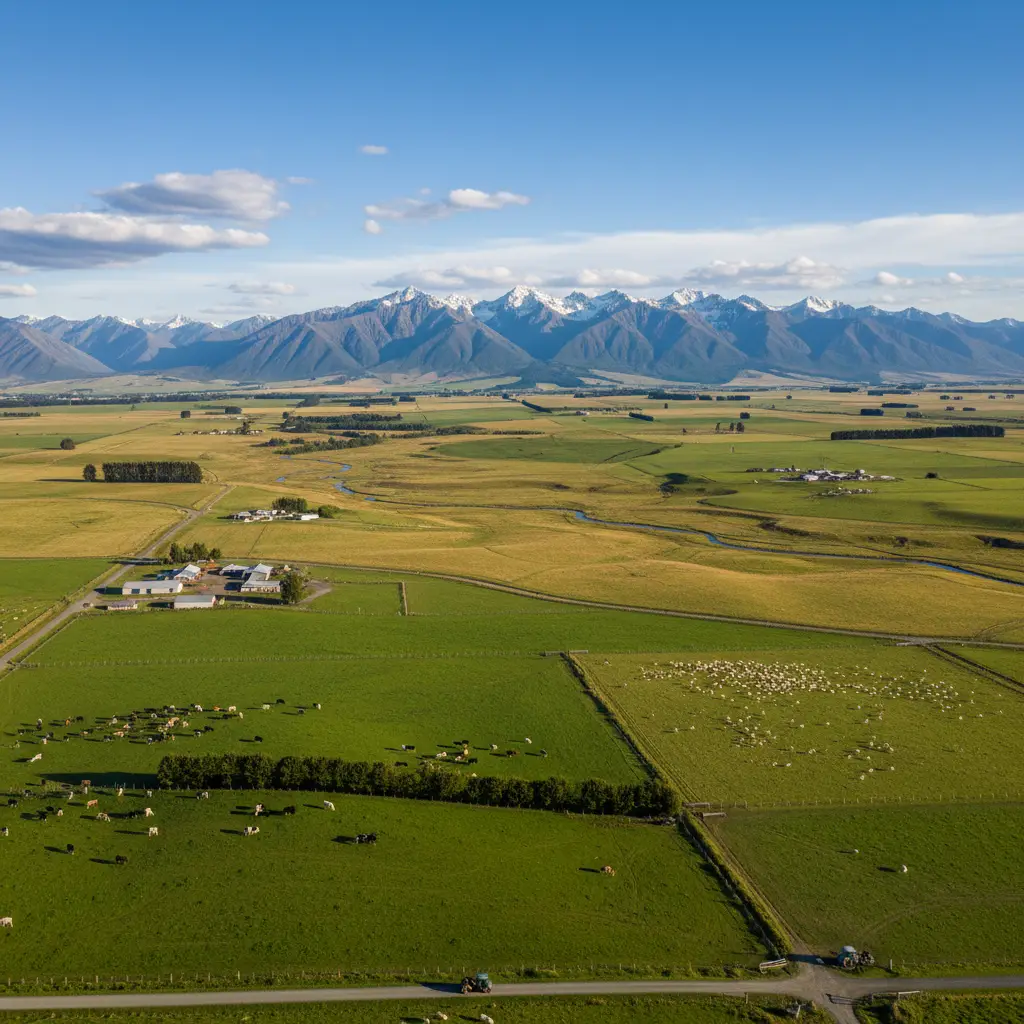
Canterbury Farming Emissions Guide
Canterbury farming emissions refer to the greenhouse gases, primarily methane and nitrous oxide, produced by agricultural activities across the Canterbury Plains. As New Zealand’s largest agricultural region, managing these emissions is critical for meeting the Zero Carbon Act targets, requiring a combination of technological innovation, land management changes, and...
Read More
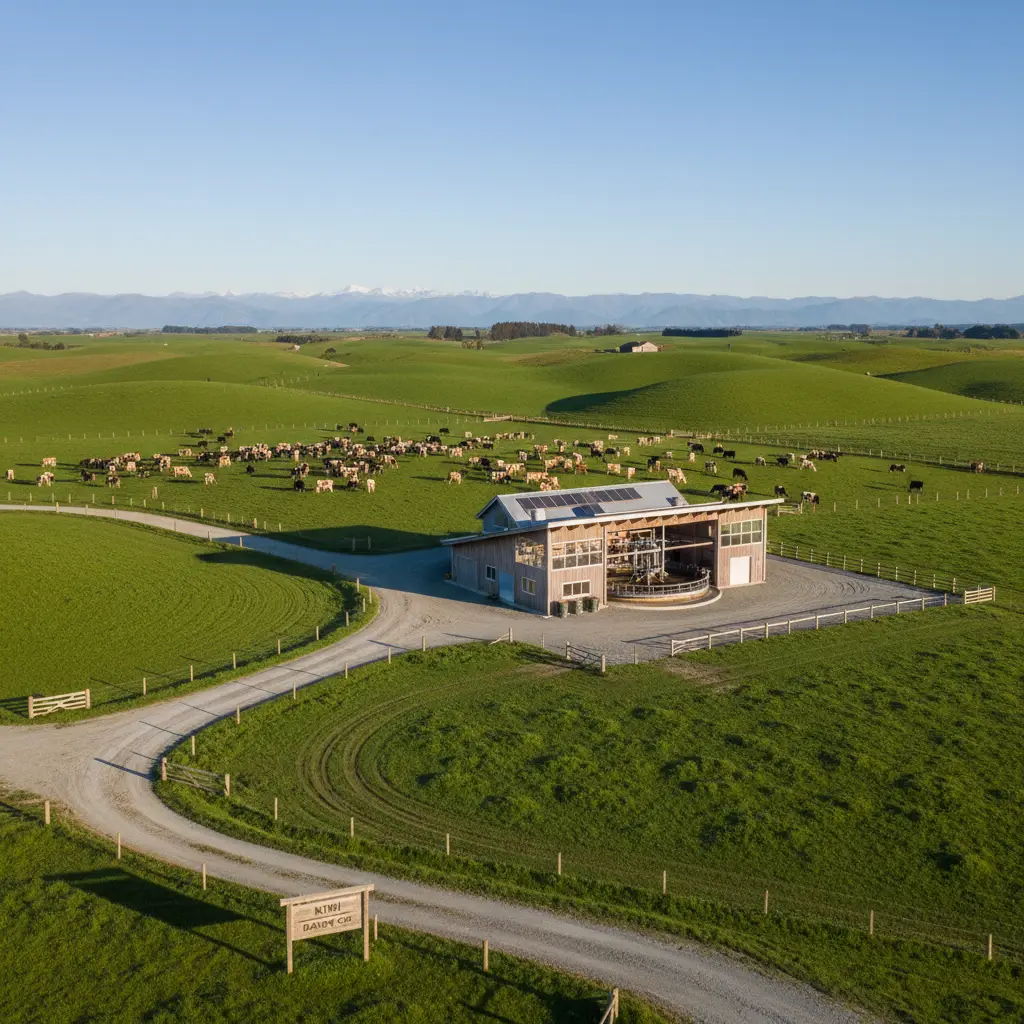
He Waka Eke Noa Updates
He Waka Eke Noa updates refer to the ongoing developments in New Zealand’s Primary Sector Climate Action Partnership. Originally designed to price agricultural emissions outside the Emissions Trading Scheme, recent updates involve the formal disbanding of the partnership and the government’s shift toward a new Pasture-to-Market strategy focused on...
Read More

Business Decarbonisation Roadmap
Business decarbonisation in NZ is the strategic process of eliminating greenhouse gas emissions from corporate operations to meet the mandates of the Climate Change Response (Zero Carbon) Amendment Act. It involves measuring carbon footprints, setting science-based targets, and implementing energy efficiency and renewable energy transitions to achieve a net-zero...
Read More

Climate-Related Disclosures (CRD) NZ
Climate-related disclosures NZ refers to the mandatory reporting framework requiring large financial institutions and listed companies to disclose climate-related risks and opportunities. Governed by the External Reporting Board (XRB) standards, these disclosures aim to ensure that the effects of climate change are routinely considered in business decisions, investment strategies,...
Read More

SME Carbon Footprint Guide
An SME carbon footprint in NZ refers to the total greenhouse gas emissions generated by a small-to-medium enterprise’s operations, measured in carbon dioxide equivalents (CO2e). Under New Zealand’s Zero Carbon Act, businesses calculate these emissions across Scope 1, 2, and 3 categories to identify reduction opportunities, ensure regulatory compliance,...
Read More